

Updated: Oct 14
Moisture dripping from a container ceiling can ruin high-value equipment and furniture in days. This issue often strikes during the humid summer and freezing winter seasons in Western Pennsylvania.
Shipping container condensation occurs when humid air touches cold steel and turns into water. Prevent it by combining cross-ventilation, dry site preparation, sealed doors, and suitable insulation. For powered workshops or offices, a dehumidifier or HVAC system adds reliable control through Pittsburgh's humid summers and freezing winters.
Owners in the Pittsburgh area must understand the science behind this moisture to choose the right fix for their unit. Keeping your stored goods safe starts with learning Why shipping container condensation forms. The process of water building up on steel walls is clear when you explore.
Why shipping container condensation forms
Shipping container condensation is a common problem for steel storage units. It happens when warm, wet air hits the cold metal walls of the unit. This change turns water vapor into liquid drops that stick to the ceiling and walls.
Many people call this "container rain." If left alone, it can damage tools, rust gear, and ruin items. In Pittsburgh, our weather makes this risk much higher. The large heat changes between day and night drive this process.
The science of container rain
The main cause of moisture is the dew point. This is the heat level where air can no longer hold all its water vapor. Because steel has a high thermal conductivity, the metal walls cool down very fast at night. If the metal surface gets colder than that point, water forms.
Airflow plays a big part in how much water builds up. If a unit is packed too tight, air cannot move. This traps wet air in small spots. Items like fresh wood or damp boxes also add more water to the air. Leaving space between your goods and the walls helps the air move inside the unit.
Temperature swings in Western Pennsylvania
Our local climate in Western Pennsylvania creates the perfect storm for moisture. We often see warm, wet days followed by very cold nights. These big swings cause the unit to "breathe." As the air inside cools, it dumps its water on the steel.
This is why condensation control is so vital for local owners. Without a way to vent the air, that water stays trapped inside. Over time, it leads to mold and mildew. Regular checks of your door seals and roof gaskets can help keep the outside wet air from getting in.
Risks of moisture in converted spaces
Units used for workshops or offices face even more risks. People, heaters, and tools all release extra water into the air. If you are managing climate control in a workspace, simple vents may not be enough. You might need insulation or power vents to stay dry.
Signs of moisture are easy to spot if you look close. Catching these early can save your goods from big damage. Look for these red flags:
Dark spots:
Check the floor and ceiling.
Musty odors:
Notice damp smells when you open the door.
Rust:
Inspect metal tools and gear.
Wet packaging:
Look for marks or soft spots on cardboard boxes.
How can you tell where the moisture is coming from?
Finding the source of wetness is the first step to keeping your goods safe. In the Pittsburgh area, damp air and cold nights often lead to issues with handling climate control and condensation. You must know if the water is coming from a hole in the steel or from the air itself. If you do not find the cause, you cannot fix the problem. Wet air can lead to rust and ruin your tools or goods.
Is it a leak or sweat?
A leak usually shows up as a puddle in one spot or a drip from a corner. You should check your roof and walls after a heavy rain to see if water is coming in from the outside. Look for rust spots or holes that might let rain seep through. On the other hand, shipping container condensation looks like a fine mist or "sweat" across large areas. This "container rain" happens when warm air hits the cold metal walls and turns into liquid. This often occurs at night when the temperature drops fast. Large temperature changes are a main cause for this sweat on the ceiling.
Ground and door seals
Sometimes the water comes from below. If your unit sits on wet soil or grass, dampness can rise through the floor. This is common if the ground is not level or lacks good drainage. You should also check the door seals and roof gaskets. Inspect these for cracks or gaps that could let moist air inside. If the seals are old, they may not keep the wet air out. Using high-quality container construction and sealing helps prevent these leaks. A tight seal is your first line of defense against the local weather.
How to inspect your unit
Use these steps to find where the dampness starts:
Look at the ceiling for water drops. This "sweating" is a clear sign that the air inside is too humid.
Inspect the corners and seams. Look for signs of rust or light coming through small holes that could be leaks.
Sniff the air for musty smells. A damp odor often means mold is starting to grow in hidden spots.
Check the container floor. Check for dark spots or soft wood that show moisture is rising from the ground.
Check your stored boxes. If items near the walls are wet but those in the middle are dry, air flow is likely the issue.
A full check helps you choose the right fix. You might need simple vents or a moisture shield to stay dry. Frequent checks are vital for keeping your gear from long-term damage.
Use ventilation to move humid air out
Ventilation is the most common way to fight shipping container condensation. It works by swapping out the wet air inside the box for drier air from outside. For folks in Western Pennsylvania, where moisture levels can spike, this flow is vital. This is why we focus on high-grade unit building and sealing to start with. Without it, the damp air has nowhere to go but onto your cold steel walls. This process helps stop "container rain" from harming your gear. Moving air is your best tool for keeping a dry space.
Passive vents for basic storage
Passive vents are the simplest way to get air moving. These vents do not need power to work. They rely on the wind and natural air pressure to move damp air out of the box. Most units come with small vents from the shop, but adding more can help a lot. These are great for basic storage where you do not need to visit the unit every day. They provide a low-cost fix that works all the time.
For the best results, you should set up crossflow. This means placing vents on other walls so the wind can blow straight through. If you put them high on the walls, they will catch the warm air that often rises to the top. Right care for climate control and condensation often starts with where you cut these holes. Vents are a simple fix for many storage needs.
Active airflow with fans
Sometimes, natural wind is not enough to keep things dry. This is where active airflow comes in. Active systems use power fans to pull air through the unit. If you use your box as a shop or a home office, you will likely need this extra boost. Fans help clear out moisture much faster than passive vents. This is very helpful if you are doing work that adds more moisture to the air.
Exhaust fans are a top choice for busy spaces. They can be set on a timer or a sensor to run when the air gets too damp. This is key for keeping tools or gear safe from rust or failure in high humidity. The weather here changes fast. Being able to move air quickly makes a big change for your stored assets. It ensures your workspace stays safe and dry.
Limits of moving air
Air flow is a great tool, but it has limits you should know. If the air outside is very wet, like on a rainy or foggy day, venting might bring more moisture in. The CDC says high-humidity areas make it much harder to keep steel surfaces dry. In these cases, your vents might actually work against you for a short time.
You may need to combine vents with other tools like a dehumidifier or insulation to get full safety. This is often the case for farm storage where crops or feed might release their own moisture. If you have questions about the best setup for your site, our team can help with custom vent installs. We focus on finding the right fix for your own needs and the local Pittsburgh weather.
When to ask for help
Not every box needs the same setup. A unit tucked in a shady spot might stay cooler and drier than one in the full sun. Our team can look at your site and suggest the best vents for your needs. We can add vents to new sales or even units you already own. Getting the right advice early can save your goods from mold and rust later on.
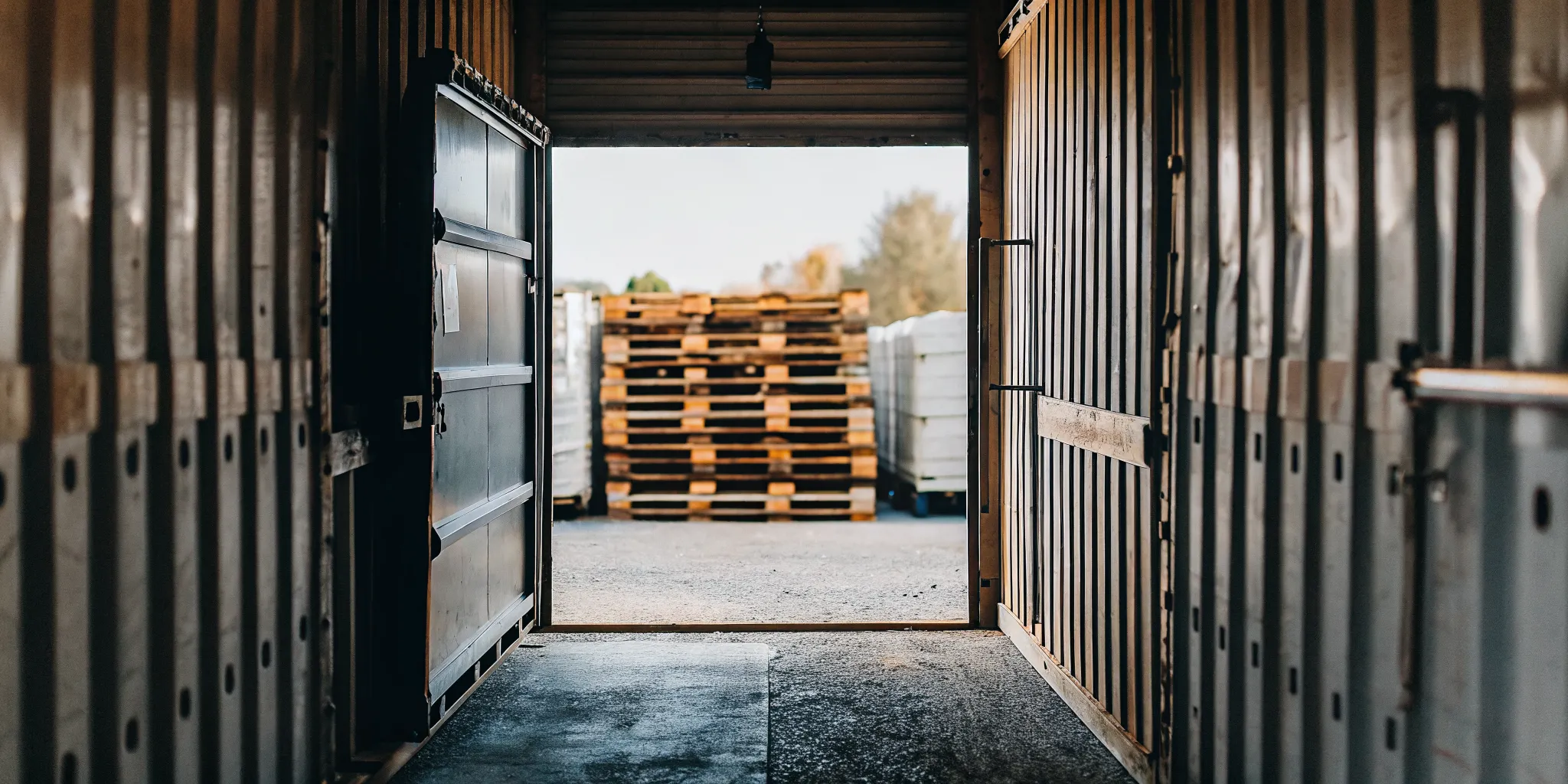
Ventilation, site preparation, and insulation work together to control container moisture.
Control moisture at the site and inside the container
Stopping moisture before it reaches your unit is the first step in planning a modified container. You must keep the ground dry and level to stop water from pooling near the base. A base of gravel or concrete helps prevent ground moisture from moving up into the metal floor. This step is key for durable one-trip containers for storage because it keeps the steel away from wet soil.
Prepare the site and unit
Site prep starts with good grading. Slope the land away from the unit so rain runs off fast. You can also lift the unit off the ground on wood blocks or stone piers. This gap lets air flow under the floor and stops dampness from building up. For fixed units, adding gutters to the roof keeps water from dripping down the walls and door seals.
Check all seals and joints once the unit is in place. Roof gaskets and door rubber seals must stay tight to keep moist air out. If you see light through the door gaps, water vapor can get in too. You should seal any new holes from wiring or vents with high-grade caulk to keep up high-quality container construction and sealing.
Manage the interior air
What you put inside the unit affects the air quality. Do not store wet wood, damp boxes, or fresh blocks inside. These items release water vapor that causes condensation on cold walls. Use dry cargo habits and pack items in plastic bins instead of cardboard when you can.
You can also use tools to pull moisture from the air. Desiccant bags or buckets use salt to soak up water vapor. For units with power, a small dehumidifier works best to keep the air dry. These tools help lower the humidity inside to keep your goods safe from rust or mold.
Which condensation-control method fits your container?
Stopping climate control and moisture prevention issues starts with choosing the right tools. Your choice depends on what you store and how often you open the doors. Some methods are cheap and easy, while others need more work to set up. In Pittsburgh, the wet air and cold nights make this choice key for guarding your gear.
Basic Ventilation and Desiccants
Passive vents are the most common way to fight shipping container condensation by letting damp air escape. These vents help air flow on its own so moisture does not build up on the ceiling. You should place vents on both ends of the unit to create a cross-breeze. This flow moves wet air out before it can turn into water on the metal walls.
If you cannot add vents, moisture-absorbing products like desiccants can help by pulling water out of the air. These small bags or tubs work well in sealed units where you do not open the doors often. You must check them and swap them out once they are full of water. They are a good fit for home storage or small tool sheds where power is not on hand.
Insulation and Protective Liners
Insulation acts as a thermal barrier to stop the interior walls from reaching the dew point. Spray foam is a top choice because it sticks directly to the steel and seals every gap. This stops warm air from hitting cold metal, which cuts down on container sweat. You can also use rigid foam panels, though they may leave small gaps where moisture can still hide.
Roof liners or other coatings provide another layer of guard from the weather. A white roof coating bounces sun rays to keep the unit cool during the day. This cuts the heat gap between the inside and outside air, which helps stop dew from making. Roof liners can also catch and hold small amounts of water until they can dry out on their own through the vents.
Active Control and Custom Builds
For workshops or offices, you may need a more active path to keep things dry. Dehumidifiers use power to strip water from the air and work well in tight spaces. These selecting modification options steps keep your workspace dry all year. You will need a steady power source and a way to drain the water from the machine.
Conditioned interior assemblies are the best way to control the air in your space. These builds combine thick insulation, vapor barriers, and full HVAC systems to manage heat. This setup is best for tiny homes or high-end offices where you need to keep a steady feel. While it costs more to set up, it offers the best long-term safety for your goods or people.
Method | Best Use | Strength | Main Limit |
Ventilation | General storage | Low cost | Needs airflow |
Desiccants | Sealed units | Easy to use | Needs refills |
Dehumidifiers | Powered offices | Strong | Needs power |
Insulation | Workshops | Stops sweat | Higher cost |
Roof Coating | Hot areas | Cools unit | Outer only |
Full HVAC | Tiny homes | Total control | Most costly |
Each method has its own place in a solid plan to stop damp air. Many people mix two or more of these options to get the best results for their unit. For example, you might use vents and a roof coating to keep the unit cool and dry. Talking to a local expert can help you find the right fit for your storage needs in Western Pennsylvania.
Plan insulation carefully for workshops and conversions
Turning a shipping container into a workshop or office takes more than just adding walls. Metal walls move heat very quickly, which often leads to shipping container condensation on the inside. This happens when the warm air you create inside hits the cold steel shell. Proper insulation stops this by keeping the metal from reaching the dew point where water forms.
Combat thermal bridging
Steel has high thermal conductivity, so it changes heat levels fast when the sun goes up or down. In a steel box, every stud or frame piece touching the metal can pull heat out of the room. This is called thermal bridging, and it can cause wet spots to form behind your walls. If you do not seal these areas, you may face mold or mildew problems that ruin your work.
One way to stop this is by using a thermal break between the metal and your inner frame. You can use foam strips or thick tape to keep the metal from touching the wood or steel studs. This small step helps keep the whole space at a steady heat level. It also reduces the risk of moisture building up in places you cannot see.
Control moisture in workshops
Workshops and offices need more air flow and thicker insulation than basic storage units. When people spend time inside a small metal room, their breath and tools can raise the moist air levels. Expert designing a comfortable container interior often involves spray foam. This type of insulation sticks right to the steel, which leaves no room for air to get trapped and turn into water.
If you use glass wool or batts, you must add a vapor barrier to keep damp air away from the metal. Without it, the water vapor will pass through the padding and settle on the cold steel. Over time, this trapped water can cause rust or mold that hurts the container's shell. You should check your seals and roof gaskets often to keep the outside air from leaking in through small gaps.
Add power and HVAC
If your plan includes lights or tools, you must use parts made for damp areas. Even with good insulation, a workshop can still get humid during a Pittsburgh winter. Using moisture-resistant parts for your power grid keeps the space safe for long-term use. You might also want to install a preventing condensation in converted container spaces setup with a small HVAC unit or dehumidifier.
An active system like a dehumidifier pulls water out of the air before it can settle on your tools or walls. This is vital if you work with wood or metal that can warp or rust in a damp room. For tough builds, talking to a local expert can help you find the best layout for your site. They can help you plan for vents and power needs while keeping the unit dry and safe.
Build a seasonal condensation-prevention routine
Keeping your goods safe in Western Pennsylvania needs more than just a lock. Pittsburgh weather has sharp heat shifts that add to the risk of damp air inside steel units. These changes in the air often lead to water drops on the walls and ceiling. To keep your items dry, you should build a plan based on the seasons. Taking early steps helps stop shipping container condensation from hurting your goods over time. A good routine makes sure your unit stays in top shape all year long.
Pre-winter checks and seals
Metal storage units move heat fast. This means they react at once to the cold air outside. This trait makes them prone to "sweat" when the air gets cold in the winter months. Before the first freeze, you must check your unit for any small gaps or leaks. Look closely at the door seals and roof parts to be sure they keep moist air out. Even a small hole can let in enough air to cause a big dampness problem. If you find wear, you may need custom container modifications to fix the seal and add more vents. Keeping the outer shell solid is the first step in stopping wet air from getting inside your unit.
Managing damp air and vents
Air flow is your best tool to cut down on dampness and mold. Be sure your vents are clear of dirt or spider webs so moist air can move out freely. Inside the unit, you can use dry-packs or pans of salt to lower the amount of water in the air. These tools work well in small spaces to keep the air dry. You should also not store wet goods like damp wood, fresh cut logs, or wet boxes. These items let a lot of moisture out into the closed unit. Good rental containers often come with vents already built in, but you must still watch the items you store. If damp air builds up, it can lead to mold that ruins your goods, per the CDC.
Outer care and drainage
The ground under your unit affects the air inside more than you might think. Be sure your unit sits on a dry, flat spot like stone, gravel, or concrete. This stops ground water from rising through the floor and into your storage space. You should also leave a few feet of space between the unit and any walls or trees. This helps to allow for good air flow all around the outside of the steel box. Check your unit at least twice a year to look for rust spots or pools of water on the roof. A few small checks each season can help you keep the base strength of your storage for many years to come.
Frequently Asked Questions
Are desiccants effective for stopping container rain?
Yes, moisture-absorbing tools like desiccants help lower the dampness inside the box. According to the National Institutes of Health, these products can help stop water from forming on the walls. While they work well for small spaces, you must replace them often to keep the air dry. They are a good choice if you cannot add vents or power to your unit.
Does a secondary roof help reduce condensation in containers?
Adding a canopy or a second roof can help by blocking the hot sun. This reduces how much the unit heats up during the day. Based on a study in Scientific Reports, lowering the solar heat helps keep the internal temperature steady. A stable temperature means less 'sweat' forms on the ceiling at night. This is very helpful for units kept in open fields.
How often should I inspect my storage container for moisture?
You should check your unit at least twice every year. It is best to look for leaks or damp spots around the door seals and roof corners. Regular checks help you find small issues before they lead to mold or mildew. According to Mann's Cans, keeping the seals tight prevents moist air from getting inside. This simple step protects your goods from the wet air in Pittsburgh.
Is it better to place a container in the sun or shade?
Placing your unit in a shaded area can help reduce moisture. Shaded spots are less affected by rapid heat changes from the sun. As noted in Scientific Reports, solar heat is a major driver of interior temperature spikes. Keeping the box cool helps prevent the air inside from holding too much water. This reduces the risk of condensation forming when the night air turns cold.
For an insulation project, read the spray-foam shipping container insulation guide. For standard inventory, see standard storage containers.
Planning a storage or converted-space project?
Ask about container size, site preparation, ventilation, and insulation needs before delivery.

Comments