

Updated: Oct 9

If you own a shipping container in Pennsylvania, you already know it's a serious investment. But a container left to fend for itself through a PA winter — the freeze-thaw cycles, the salt-treated roads nearby, the damp spring rains — will show wear fast. Shipping container maintenance in Pennsylvania is really about staying ahead of the two things that do the most damage: moisture and rust. The good news is that most of the care your container needs is straightforward, doable work you can handle with the right routine. This guide walks you through the essentials, from rust prevention to roof and door upkeep, and preps you for the specific challenges of our seasons.
Why Does a Shipping Container Need Regular Maintenance in Pennsylvania?
Steel is tough, but it isn't maintenance-free. A shipping container is designed to survive ocean crossings, yet a container parked on a property faces a different set of stresses. In Pennsylvania, those stresses are humidity, heavy rain and snow, and the freeze-thaw cycle that makes water expand inside small cracks over and over through the year. Left unchecked, that turns into surface rust, then pitting, and eventually weak spots in the structure. Regular inspections help you catch these issues while they're still cosmetic fixes instead of bigger repairs. As a rule of thumb, give your container a walk-around every few months, and always do a full check before and after winter.
Rust Prevention: The Priority for a PA Container
Rust is the single biggest enemy of a shipping container in a damp climate, so it leads the maintenance checklist. Walk the exterior and look for the tell-tale orange-brown spots, especially along edges, the base frame, and anywhere the surface is scratched or chipped. Pay close attention to the corners and the bottom rails, where moisture pools and road spray collects.
When you find a rust spot, don't just paint over it. Brush it down with a wire brush to remove loose scale, sand the area smooth, then treat it with a rust converter or primer before applying a touch-up coat of exterior metal paint. Catching and treating spots early is far cheaper than letting them spread. For heavier corrosion on a used container, it's worth having a professional assess whether the damage is surface-level or structural.
How Do You Keep a Container Roof Watertight?
The roof takes the brunt of rain, snow, and ice, so it deserves a close look every time you inspect. Check for dents where water could pool, and keep the roof clear of leaves, branches, and debris that hold moisture against the steel. The seam where the roof meets the walls can develop small gaps over time, and the rubber gaskets around vents and roof fittings can dry out and crack.
For small gaps and failing seals, clean the area, let it dry, and apply a quality exterior sealant or weatherstripping. And a note for the snowy months: keep snow off the roof when you safely can. A shipping container is engineered to handle heavy loads, so a light clearing with a long-handled broom is usually enough — you don't need to climb up there unless a spot is clearly buried. If you're ever unsure about the roof's structural condition, especially after a heavy snow season, ask a professional to check it before you rely on it.
Door Upkeep: Seals, Hinges, and Locks
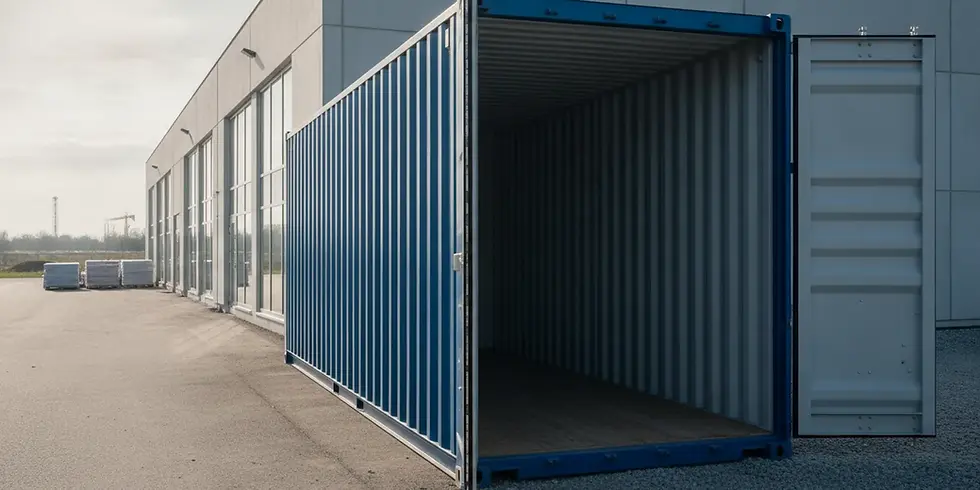
The doors are the most-used moving parts on your container, and the door seals are what keep moisture out. Inspect the rubber gaskets around both doors for cracks, brittleness, or gaps. A damaged seal lets water and humid air inside, which is how condensation and interior rust start. Replace worn gaskets early rather than waiting until you notice damp contents.
Keep the hinges, locking bars, and door hardware lubricated with a light grease or penetrating oil so the doors open and close smoothly. That also keeps the locking rods from sticking when you need quick access. Check that the doors still close square and that the locking mechanism latches firmly — a door that doesn't seal properly is a maintenance problem that affects everything inside.
Ventilation Management: Control Condensation and Moisture
Condensation is the quiet culprit in Pennsylvania. Warm, humid air meeting a cooler steel interior produces moisture on the walls and ceiling, and that moisture leads to rust and musty contents. Good ventilation is your best defense. Make sure any ventilation openings your container has stay clear, and avoid trapping heat inside near the metal walls. If you're storing items for the long term, keep them off the floor on pallets or shelving so air can circulate underneath.
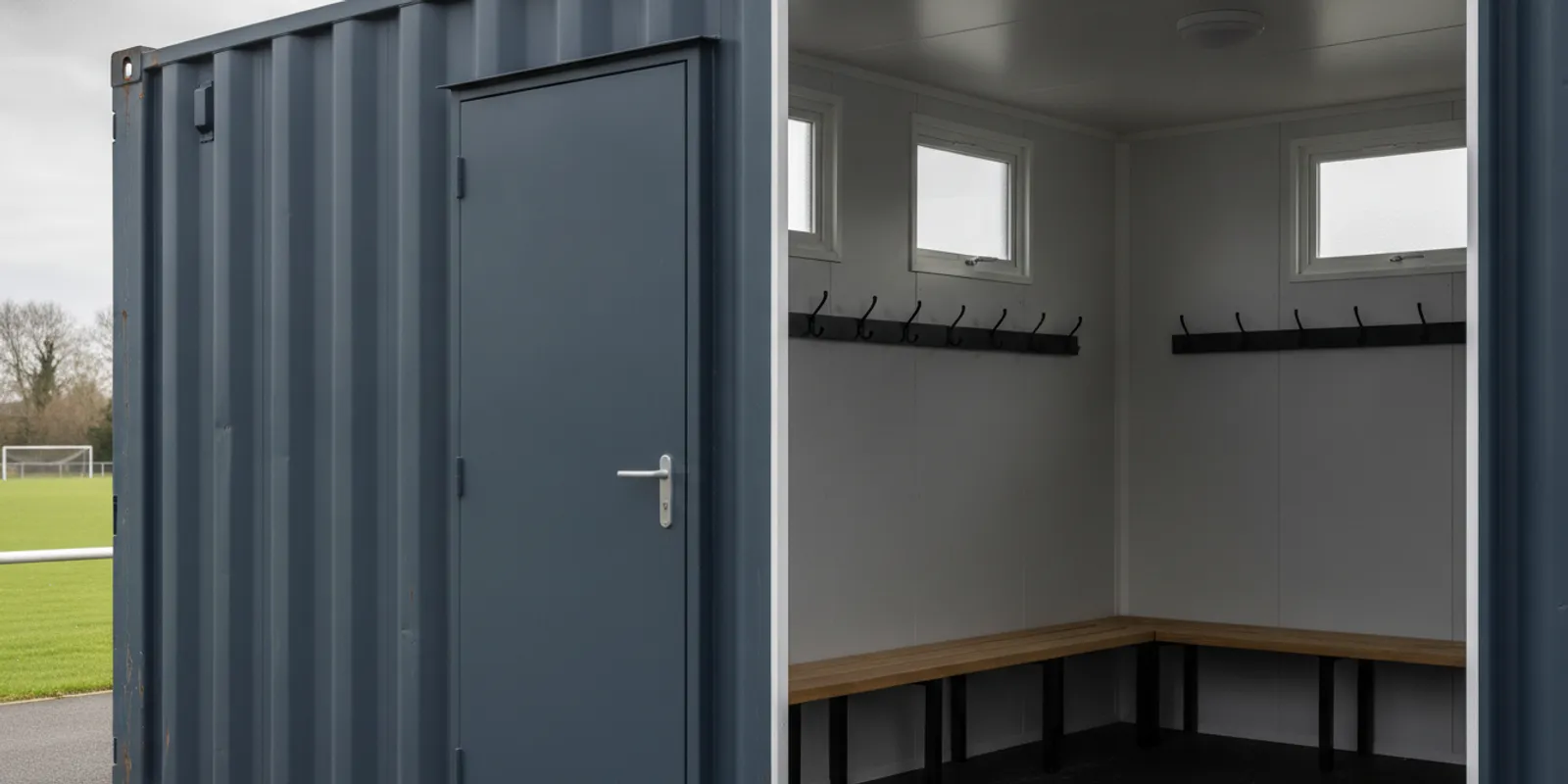
Inside humidity also spikes when a container sits in full sun after a damp night. Simply opening the doors on a dry day to let it air out goes a long way. If you're converting the container into an office, workshop, or living space, it's worth investing in proper insulation and climate control. Closed-cell spray foam insulation with an R-value of at least R-10 handles both temperature and condensation far better than leaving the bare steel exposed.
Paint Protection: The Container's First Line of Defense
Your container's paint isn't just for looks — it's the main barrier between the steel and the elements. Over time, UV light, rain, and abrasion wear it down, and once bare metal shows, rust starts. Touch up chips and scratches as soon as you spot them using exterior-grade metal paint that matches the original finish. For an older container with widespread paint wear, a fresh coat of industrial rust-inhibitive paint done in ventilated conditions will give the steel a renewed protective layer.
If paint isn't your project, a professional can repaint a container as part of a refresh, and it's a smart move before winter sets in. A well-painted container sheds moisture better and looks better on your property, which matters if it's visible from your home or business.
Seasonal Prep for Pennsylvania Winters
Winter is the most demanding season for your container, so do a full maintenance pass before the first hard freeze. That check should cover the roof, the door seals, and your rust-treatment work so everything heads into the cold in good shape.
Snow load deserves a mention because Pennsylvania winters can dump a lot on a flat roof. While a shipping container is designed to carry substantial weight, keeping significant snow from piling up is the simplest way to reduce stress on the roof over a long season. Gently clear snow with a broom when it's safe to reach, and treat icy buildup with care rather than chipping at it with sharp tools that can scratch the paint and expose steel. In areas with heavy snowfall or if you're modifying the container — say, cutting in windows or a door — it's always wise to have a professional engineer review the plan for your specific location and snow loads before you build. Local building authorities may require these considerations for modified containers too, so check on local code considerations in your area.
Freeze-thaw is the other winter risk. Water that seeps into tiny cracks or under paint then freezes expands, widening the damage each cycle. That's exactly why treating surface rust in the fall matters — you're preventing the moisture that winter will turn into bigger problems. Also make sure the ground around your container drains well so standing water doesn't sit against the base through the wet season.
FAQ: Shipping Container Care in Pennsylvania
How often should I inspect my shipping container?
Plan a walk-around inspection every few months, with a more thorough check right before and shortly after winter. If your container is heavily used or sits in low-lying, damp ground, inspect it more frequently.
What is the lifespan of a shipping container?
With regular maintenance, a well-built container can last 25 years or more. The difference comes down to how consistently you protect it from moisture and rust. A used container that's already showing wear will need more attention than a newer one.
How do I stop rust on a shipping container?
Brush off loose rust with a wire brush, sand the area, treat it with a rust converter or primer, then apply a matching exterior metal paint. Addressing spots early prevents them from spreading into structural damage.
Do I need to ventilate a storage container?
Yes. Ventilation prevents the condensation that leads to interior rust and musty contents. Keep vents clear and store items off the floor so air can circulate.
Can I modify my container for insulation or extra doors?
Many owners modify containers for insulation, cutouts, doors, and windows. For structural changes and snow-load planning in Pennsylvania, have a professional engineer review the plan, and check local code considerations with your building authority first.
Keeping your container in shape doesn't require constant work — it requires the right routine, done before the weather turns against you. The storage containers Mann's Cans sells are built to last, and a little seasonal care keeps them looking and performing their best. If you're buying new or used, need a 40-foot container, or want help positioning and prepping it on your property, the team at Mann's Cans can point you in the right direction. Get a quote for your container today.

Comments