

Updated: Jul 28
That big project you’ve been dreaming about, whether it’s a backyard workshop, an art studio, or a dedicated home office, needs a solid foundation. A shipping container is the perfect blank canvas: strong, spacious, and ready for your vision. The first step is finding the right one. Searching for a used 40ft shipping container for sale can feel a bit like a treasure hunt, and knowing what to look for is key to starting your project on the right foot. This article will guide you through the entire process, from decoding condition grades to performing a pre-purchase inspection, ensuring the container you choose is the perfect, reliable base for your creative ideas.
Key Takeaways
- Understand Container Grades
: A used container is a smart, budget-friendly choice, but its condition matters. Knowing the difference between Wind and Water Tight (WWT) and Cargo Worthy (CW) helps you select the right unit for your needs and avoid paying for features you don't require.
- Perform a Thorough Inspection
: Before you buy, give the container a quick health check. Step inside to look for light leaks, walk the floor to check for soft spots, test the doors and seals, and look for any deep, flaky rust beyond normal surface wear.
- Prepare for Price and Placement
: The final cost includes both the container and its delivery. To ensure a smooth process, prepare your site with plenty of clear space, check local permit requirements ahead of time, and always get the final terms of your purchase in a written agreement.
What Is a Used 40ft Shipping Container?
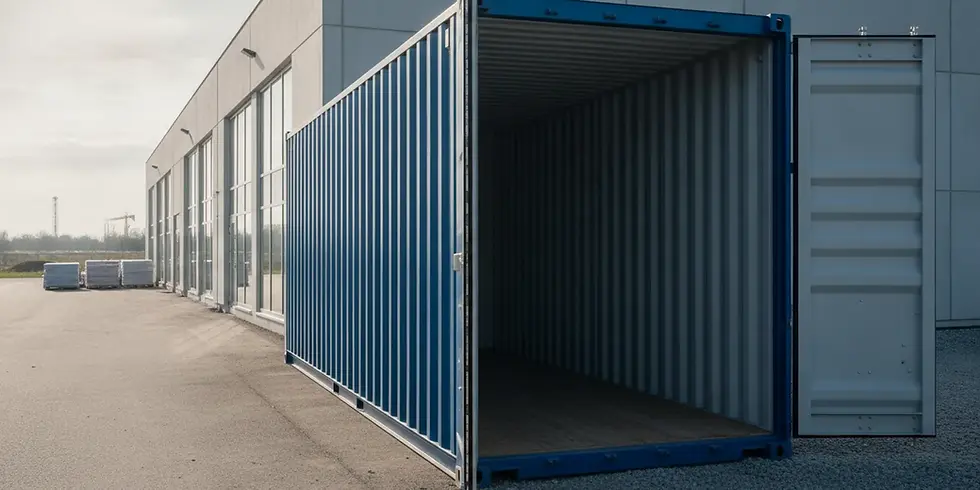
A used 40ft shipping container is a veteran of global trade. These containers have journeyed across oceans and continents, carrying goods of all kinds. After a certain number of years in service, they are retired from the international shipping circuit. But "retired" doesn't mean they're ready for the scrap heap. Far from it. These units are built from tough Corten steel to withstand extreme weather, constant handling, and the salty sea air, so they have plenty of life left for a second act on your property.
Choosing a used 40ft container is a fantastic, budget-friendly move. Because they've been around the block, they come at a lower price point than their brand-new counterparts, but they are still incredibly strong and secure. They might show a few signs of their past adventures, like some dings, patches, or surface rust, but their structural integrity remains solid. This makes them a perfect solution for straightforward storage on a farm, a secure spot for tools on a job site, or a place to keep extra business inventory. You get a durable, weather-resistant space without the brand-new price tag, making it a practical and popular choice for countless projects.
Standard vs. High Cube: What's the Difference?
When you start looking at 40ft storage containers, you'll quickly see two main types: Standard and High Cube (HC). The difference is simple: height. A standard container stands 8.5 feet tall, while a High Cube gives you an extra foot of vertical space, reaching 9.5 feet. That extra foot can be a game-changer, offering more headroom if you're planning an office or studio conversion, or allowing you to stack items higher for maximum storage. Of course, that added space means HC containers typically cost a bit more and are slightly heavier, so it's worth considering if that vertical real estate is essential for your plans.
The Nitty-Gritty: Dimensions, Weight, and Materials
Let's talk numbers. A standard 40ft used container measures 40 feet long, 8 feet wide, and 8.5 feet high on the outside. These dimensions give you a substantial amount of interior space to work with. On its own, the container weighs around 8,200 pounds, but don't let that fool you; it's designed to carry a massive amount of weight, often up to 67,000 pounds of cargo. This incredible strength comes from its construction, which primarily uses Corten steel, a material known for its corrosion resistance and durability. These specs are key for planning delivery and ensuring the container fits perfectly on your site.
Used vs. New: Which 40ft Container Is Right for You?
Deciding between a used and a new shipping container is one of the first big choices you'll make. There’s no single right answer, as both options have their perks. The best fit for you really comes down to your budget, how you plan to use the container, and your aesthetic preferences. A brand-new container offers a flawless finish, while a used one comes with a bit of history and a lower price tag. To help you figure out which path to take, let's break down the key differences in cost, durability, and how you can make the container your own.
The Financial Angle: Cost Savings and Resale Value
Let's talk money, because it's often the deciding factor. A used 40ft container is significantly more affordable than a new one, often saving you 25% or more. If your main goal is secure, functional storage and you aren't concerned about a few cosmetic dings or patches of rust, going with a used model is a smart financial move. This frees up more of your budget for customizations. On the other hand, a 40ft brand-new container provides a pristine appearance from day one, which might be essential for a customer-facing business. If you're looking for a middle ground, our rent-to-own program offers a flexible way to get the container you need without the upfront cost.
How Long Will It Last? Durability and Lifespan
One of the most common questions I get is about the lifespan of a used container. It's a valid concern, but you can rest easy. Shipping containers are built from tough Corten steel to survive years of harsh ocean travel, so even a "used" container has a ton of life left in it. With basic care, a well-maintained used container can easily last another decade or more, providing a secure and weatherproof space. A new container will, of course, last even longer and comes without any of the wear and tear from its previous life. Either way, you're investing in a structure that was built to endure the elements.
Your Blank Canvas: Customization and Versatility
This is where the fun begins. Both new and used containers are incredibly versatile and act as a blank canvas for your ideas. A used container can be an ideal starting point for a big project; since you might be cutting into it or painting it anyway, a few pre-existing scratches won't matter. It’s perfect for a workshop, a storage unit with custom shelving, or a rustic studio. If you're planning a project where appearances are critical from the start, like a sleek pop-up shop or a modern office, a new container gives you a perfect, unblemished surface to work with. You can see some of our past work to get ideas for what's possible.
Decoding Container Conditions: What Do the Grades Mean?
When you start shopping for a used 40ft shipping container, you’ll quickly notice they come with different condition grades. These aren't just random letters; they tell you a lot about the container's past life and what you can expect from it in the future. Understanding these terms is key to choosing the right container for your project and your budget, ensuring you don’t overpay for a condition you don’t need or end up with a container that can’t do the job. It’s the best way to make sure you’re making a smart investment.
Think of it as learning the language of shipping containers. Once you know what Cargo Worthy, WWT, and As-Is really mean, you can confidently find the perfect match for your storage shed, workshop, or big building project. Each grade represents a different level of wear and tear, which directly impacts its price and suitability for certain uses. A container that spent years traveling the high seas will look very different from one that's only been used for local storage. We'll walk through the three main categories so you can decode the listings and choose a container that meets your needs and expectations.
Cargo Worthy (CW)
Think of Cargo Worthy (CW) as the top tier for used containers. A CW container is certified as structurally sound and strong enough to be loaded with cargo and shipped across the ocean. While it will likely have some cosmetic signs of its travels, like minor dents or a bit of surface rust, its integrity is intact. This grade is an excellent choice if you need a container for a demanding job site or if you think you might need to have it re-certified for international shipping down the road. It offers peace of mind that you're getting a durable, reliable structure that’s built to last.
Wind and Water Tight (WWT)
Wind and Water Tight (WWT) is one of the most common grades for on-site storage, and for good reason. These containers are guaranteed to keep wind and rain out, protecting whatever you store inside from the elements. They will show more visible wear, such as dings, dents, and more noticeable rust patches, than a CW container. It's important to know that WWT doesn't mean airtight, so some moisture can still get in over time. However, they are a fantastic and affordable solution for storing things like tools, business inventory, or farm equipment that need to stay dry and secure.
As-Is
The "As-Is" grade is exactly what it sounds like: you get the container in its current condition, with no guarantees or repairs made. These containers can have significant issues, including holes, warped doors, major rust, or even floor damage. An As-Is container is really only a good fit if you're prepared to put in some serious work yourself or if you have a project that doesn't require a perfectly sealed box. If you're a skilled DIYer looking for a fixer-upper or simply need the steel for a different purpose, this might be a budget-friendly option. For everyone else, it's usually best to stick with a WWT or CW grade.
Your Pre-Purchase Inspection Checklist
Okay, you’ve found a promising used 40ft container. Before you commit, it’s time to play detective. A thorough inspection is your best tool for making sure you’re getting a solid, reliable unit and not someone else’s problem. Think of it as a quick health checkup for your container. It only takes a few minutes and can save you a lot of headaches later on. Here’s a simple checklist to walk you through exactly what to look for, so you can buy with confidence.
Check the Structure and Exterior
Start with the big picture. Take a walk around the container and look at its overall shape. Does it look square and level? Pay close attention to the corners and the long rails running along the top and bottom. Some dents and dings are perfectly normal for a container that’s seen a bit of the world, but you want to watch out for major, deep impacts that could affect its structural integrity. A quality used 40ft container will have cosmetic wear, but its core frame should be straight and strong. This ensures it can be moved, stacked, and modified without any issues.
Inspect the Roof and Walls for Leaks
This next step is crucial, especially if you plan to store anything valuable. The best way to check for leaks is to step inside, close the doors completely, and let your eyes adjust to the darkness. Look for any pinpricks of light coming through the walls or ceiling. Even the tiniest hole can let water in over time. While you’re at it, scan the exterior of the roof for any significant dents where rainwater could pool. A watertight seal is non-negotiable for a storage unit, so don’t be shy about this part of the inspection. It’s the key to keeping your belongings safe and dry.
Examine the Floor's Condition
The floor takes a lot of abuse, so give it a good look. Walk across the entire surface and feel for any soft, spongy, or bouncy spots. This can be a sign of rot or water damage underneath the plywood. Most shipping container floors are made of marine-grade plywood, which is incredibly tough, but it’s not indestructible. Also, look for any dark stains or lingering chemical odors, which could hint at past spills. A solid, sturdy floor is the foundation for any project, whether you’re storing equipment or building a custom studio, so make sure it’s in great shape.
Test the Doors and Locking Mechanisms
Don’t overlook the doors. You’ll be using them a lot, so you want them to work smoothly. Open and close both doors all the way. They should swing without too much resistance. If they’re extremely stiff or grind against the frame, it can be a real hassle. Next, inspect the rubber gaskets that line the inside of the doors. These seals are what make the container watertight, so check for any major cracks, tears, or missing sections. Finally, work the locking bars and handles to make sure they engage properly and secure the doors tightly. You want to know you can lock it up and walk away without a worry.
Look for Rust and Surface Damage
Let's talk about rust. It’s normal to see some surface rust on a used container; it’s a steel box that has been exposed to the elements, after all. What you need to watch for is severe, flaky rust that goes deep into the metal. Pay special attention to the roof, the seams where panels meet, and the bottom rails where moisture can sit. This kind of corrosion can weaken the container over time. A little surface rust can easily be sanded and painted over, but significant structural rust is a red flag. We take pride in the quality of our containers, and you can learn more about our commitment on our about us page.
Let's Talk Price: How Much Does a Used 40ft Container Cost?
Alright, let's get straight to the point everyone cares about: the price tag. When you're looking for a used 40ft container, you’ll quickly notice that there isn't one standard price. The cost can vary quite a bit, and it’s easy to feel like you’re comparing apples to oranges. Think of it less like buying a product off a shelf and more like buying a used car; several factors come together to determine the final number on the invoice. It's not just about the container itself, but also its history, condition, and even where it's located.
The good news is that understanding these factors puts you in the driver's seat. Instead of just searching for the lowest price, you can find the best value for your specific project, whether you're building a workshop, creating extra storage, or starting an innovative building project. We'll break down what really goes into the cost, what common pricing myths to ignore, and how you can be sure you’re making a smart investment. This way, you can approach your purchase with confidence and know exactly what you’re paying for.
What Determines the Final Price?
The final price of a used container is a mix of a few key ingredients. First and foremost is its condition. A container graded as "Wind and Water Tight" (WWT) will typically cost less than one that's "Cargo Worthy" (CW), since a CW container is certified for overseas shipping. Your location also plays a big role. The cost to transport a massive steel box from a port or depot to your property is a significant part of the final price. The further you are, the more you can expect to pay for delivery. Finally, market conditions, like supply and demand, can cause prices to fluctuate throughout the year.
Don't Fall for These Pricing Myths
If you see a price that seems too good to be true, it probably is. A suspiciously low price tag can be a red flag for hidden issues like significant rust, a damaged floor, or leaky seals that will cost you more in the long run. A common myth is that all used containers are basically the same, but that couldn't be further from the truth. A reputable seller will always be transparent, providing plenty of clear photos of the actual container you're buying, inside and out. Don't settle for stock images; you deserve to see exactly what you’re getting before you commit.
How to Get the Best Value
Getting the best value isn't just about finding the lowest price; it's about finding the right container for your needs at a fair cost. The most important step is to inspect the container yourself or get a detailed inspection report. Next, match the container's condition to its intended use. If you just need secure, dry storage, a Wind and Water Tight container is a fantastic, budget-friendly choice. You don't need to pay a premium for a Cargo Worthy unit unless you plan to ship it. Also, consider your payment options. If a full purchase isn't right for you, a rent-to-own program can be a flexible and affordable way to get the space you need now.
Creative Ways to Use Your 40ft Container
Once you have your 40ft container, the real fun begins. These steel boxes are so much more than simple storage units; they are blank canvases for your biggest ideas. Their strength and generous size make them the perfect starting point for a wide range of projects, from practical solutions to creative dream spaces. Whether you need to declutter your life or build something entirely new, a shipping container offers a durable and flexible foundation. Let’s explore a few creative ways you can put your 40ft container to work.
Smart Storage for Your Home or Business
The most straightforward use for a shipping container is also one of the most useful: secure storage. A used 40ft container gives you a massive amount of space, perfect for stowing away everything from business inventory and equipment to household furniture and seasonal items. Because they are built from steel to withstand harsh weather, you can trust them to keep your belongings safe and dry for the long term. It’s a cost-effective and durable alternative to building a new shed or paying for a self-storage unit, giving you convenient access right on your property.
On-Site Offices, Studios, and Workshops
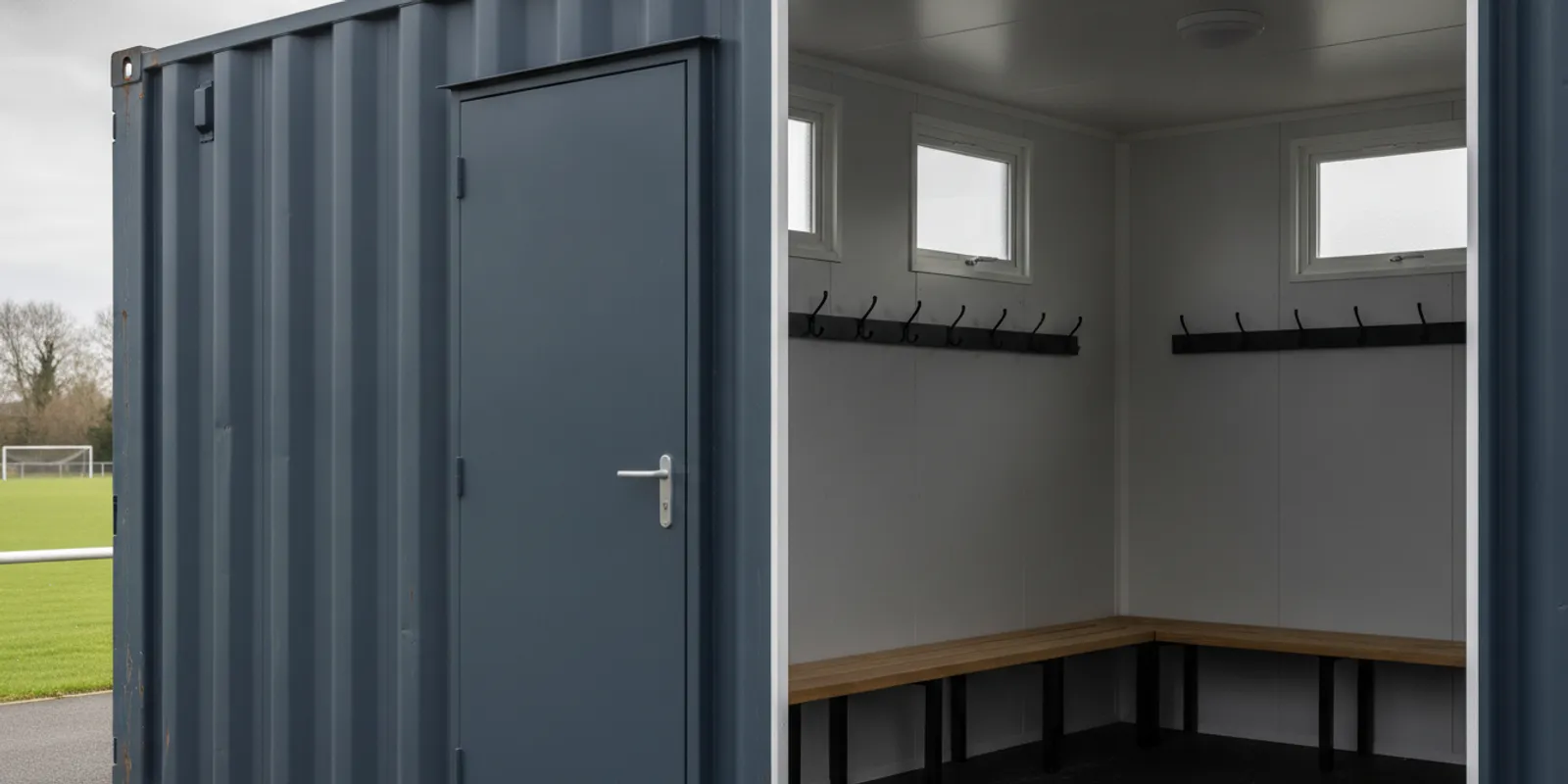
Imagine having a dedicated space to focus, create, or build, just a few steps from your back door. A 40ft container can easily be transformed into a comfortable on-site office, a light-filled art studio, or a fully equipped workshop. The solid steel structure is the perfect shell for adding insulation, electricity, windows, and doors to create a functional and personalized environment. This is a fantastic solution for remote workers, artists, or hobbyists who need to separate their workspace from their living area. You can see some amazing transformations on our current work page to get inspired.
Innovative Building Projects
Why stop at just one room? Shipping containers are modular building blocks that can be used for truly innovative construction projects. Think bigger: a pop-up retail shop, a trendy coffee bar, or even a small guest house. On construction sites, they serve as temporary offices or secure storage for valuable tools and materials. You can even combine and stack multiple containers to create larger, multi-level structures with unique architectural flair. With a bit of creativity, your 40ft container can become the foundation for your next big venture.
Finalizing Your Purchase: What to Know Before You Buy
You’ve inspected the container, you’ve settled on a price, and you’re ready to make it yours. This is the exciting part, but a few final steps can ensure your purchase goes off without a hitch. Taking a moment to confirm the details before you commit is the best way to protect your investment and make sure the container you get is exactly what you expect. Think of it as the final walkthrough before you get the keys.
It’s all about clear communication and having a solid plan. From understanding the container’s background to preparing for future modifications and getting the terms down in writing, these last checks are non-negotiable. A trustworthy seller will be happy to walk you through these details, ensuring you feel confident and informed. Let’s cover the essential items to tick off your list before you finalize the deal.
Get the Full Story: Photos, Docs, and History
When you’re buying a used container, you’re also buying its history. Don’t hesitate to ask for a complete picture of its past life. A reputable seller should readily provide detailed photos of the container’s interior and exterior, along with any available documentation. This transparency is key to knowing exactly what you’re getting, so you can avoid any unwelcome surprises down the road. Seeing clear images and understanding the container's condition helps you verify that it meets your standards. We pride ourselves on showing examples of our work so you can see the quality you'll receive.
Plan for Mods: Ventilation and Insulation
If your plans involve transforming the container into an office, studio, or living space, you’re probably thinking about modifications like windows, doors, or insulation. It’s smart to discuss these plans with your seller before you buy. Some customizations can affect the container's structural integrity, and it’s important to know what’s possible. Factoring these additions into your initial budget will also help you manage costs. Talking through your vision for our custom shipping containers allows us to help you create the perfect space while keeping it safe and sound.
Do You Need Insurance?
Before you finalize the purchase, it’s a good idea to think about insurance. While a container used purely for storage might not need it, the requirements can change if you plan to use it as an additional structure on your property, like a workshop or office. We recommend checking with your local authorities about any necessary permits for placing a container on your land. A quick call to your insurance provider can also clarify if your new container needs to be added to your policy. It’s a simple step that provides peace of mind.
Get Everything in Writing
A handshake is nice, but a written agreement is essential. Always make sure you have a contract that clearly outlines all the terms of your purchase. This document should include the final price, a description of the container's condition, delivery details, and the process for handling any potential issues. This protects both you and the seller and ensures everyone is on the same page. For example, our flexible rent-to-own program comes with a clear agreement so you know exactly what to expect every step of the way.
Getting It Home: What to Expect on Delivery Day
You’ve found the perfect container, and now it’s time for the exciting part: delivery day! A little prep work goes a long way in making sure everything goes off without a hitch. Think of it like moving into a new apartment; you want to make sure the path is clear and you know the building rules. The same logic applies here. From clearing the delivery path to understanding local regulations, getting these details sorted out beforehand will ensure your container lands exactly where you want it, ready for its new life. Let's walk through what you need to do to get ready for a smooth and stress-free delivery.
First things first, let's talk space. The truck delivering your container needs a lot of room to maneuver. You’ll want to have at least 120 feet of straight, clear space for the truck and container. Think of it as a mini runway. Also, look up! Make sure there are no low-hanging branches or wires in the way. You'll need about 18 feet of vertical clearance for a safe drop-off. Clearing this space ahead of time is the single best thing you can do to ensure a quick and easy delivery of your 40 FT Used Container.
Checking on Permits and Local Rules
This next step is a big one: checking in with your local authorities. Before your container arrives, take some time to call your city or municipality to ask about permits and zoning laws. Every area has different rules, and you want to be sure you’re in compliance, especially if you plan to use the container as a permanent structure or office. A quick phone call can save you from potential fines or the headache of having to move your container later. As a company that values doing things right, we always encourage customers to understand their local guidelines.
Tips for a Smooth Placement
Clear communication is your best friend on delivery day. When you finalize your order, be very specific with us about where you want the container placed. If you can, mark the spot on the ground. It also helps to discuss your site conditions, like any slopes or soft ground, so our delivery team can come prepared. We pride ourselves on transparency and are happy to show you photos of your exact container before it ships. You can even check out our past work to see how we’ve handled different placements and get ideas for your own project.
Ready to Buy? Here's Where to Look
Find Your Perfect Container at Mann's Cans
Okay, you've done your homework and you're ready to find the right container. This is where the fun really starts. At Mann's Cans, we specialize in connecting people with the perfect storage containers for their projects, whether it's for a home, business, or creative studio. We offer a great selection of used 40ft containers that are thoroughly inspected to be wind and watertight, so you can be confident your belongings or equipment will stay protected. Our process is straightforward: we help you choose the right container from our inventory and then deliver it directly to your site. No fuss, just a durable, reliable container ready for you to make your own.
Explore Our Flexible Rent-to-Own Program
Not quite ready to purchase a container outright? No problem at all. Sometimes you need a little more flexibility, and that's exactly why we created our rent-to-own program. This option gives you the immediate storage or workspace you need without the upfront cost of buying. You can get a high-quality container on your property with manageable monthly payments, and you’re building equity with every payment. It’s a practical path to ownership that keeps your budget in mind. We can even discuss tailored container solutions to make sure it’s perfect. Our rent-to-own program is designed to give you more options and control over your space.
Related Articles
Frequently Asked Questions
What's the biggest difference between a "Wind and Water Tight" and a "Cargo Worthy" container? For most people who need on-site storage, a Wind and Water Tight (WWT) container is the perfect choice. It’s guaranteed to keep your belongings dry and secure from the elements and is the most cost-effective option. A Cargo Worthy (CW) container is held to a higher structural standard because it's certified to be stacked and shipped overseas. You would really only need a CW grade if you plan to ship it internationally or if your project requires that extra level of structural certification for peace of mind.
Do I need to put the container on a concrete slab or foundation? A full concrete foundation is usually not necessary, but you do need to place your container on a dry, level, and firm surface. This is key to making sure the doors operate correctly and to prevent moisture issues. Many people use a simple gravel pad, concrete blocks at the corners, or railroad ties to lift the container slightly off the ground. This ensures good drainage and keeps the steel underside from sitting directly on wet soil.
How much rust is acceptable on a used container? It's completely normal for a used container to have some surface rust; after all, it's a steel box that has spent time at sea. This kind of rust is purely cosmetic and can easily be treated by sanding it down and applying a coat of metal-friendly paint. The type of rust to watch out for is deep, flaky corrosion that compromises the steel's integrity, especially along the roof or bottom rails. A solid container will have cosmetic wear, not structural decay.
What if I can't inspect the container in person before buying? This is a very common situation, and it's why choosing a transparent seller is so important. A reputable company will provide you with a full set of recent, detailed photos of the exact container you are purchasing, not just stock images. These photos should show the exterior from all angles, the interior, the condition of the floor, the roof, and close-ups of any significant dents or rust spots. This allows you to do a thorough virtual inspection and buy with confidence.
Is a High Cube container worth the extra cost? Whether the extra foot of height in a High Cube is worth it really depends on your plans. If you intend to convert the container into a workshop, office, or studio, that additional headroom can make the space feel much more open and comfortable. It's also a great choice if you need to store tall items or use a forklift inside. For general storage of boxes and equipment, a standard 8.5-foot container is often perfectly adequate and will save you a bit of money.

Comments