

Updated: Sep 15
When comparing a cargo-worthy vs wind watertight container, the right choice depends on what you need the container to do. A wind-and-watertight unit is generally intended for secure, dry storage on land. A cargo-worthy unit has been evaluated for the structural condition needed to carry cargo, but buyers planning an ocean shipment must still confirm the specific container's documentation and acceptance requirements.
The grade is not simply a measure of how good a container looks. Used containers often have dents, surface rust, repairs, and faded paint after years of service. The meaningful question is whether those signs of use affect the container's intended job. This guide explains the practical differences, what to inspect, and which questions to ask before buying.
Cargo Worthy vs Wind Watertight Container at a Glance
Consideration | Cargo-worthy container | Wind-and-watertight container |
Primary purpose | Carrying cargo when all required inspections and transport documentation are current | Stationary storage that keeps normal wind and rain out |
Condition focus | Structural integrity, including frame, corner posts, flooring, doors, and repairs | Weather resistance, door operation, security, and a usable interior |
Typical inspection | Evaluated against cargo-worthy criteria; ask who inspected it and when | Checked for light leaks, water entry, holes, doors, seals, and general storage usability |
Typical buyers | Buyers transporting cargo or prioritizing stronger structural condition | Homeowners, farms, contractors, and businesses needing ground-level storage |
Appearance | May still have dents, repairs, rust, and faded paint | May show more cosmetic wear while remaining dry and functional |
Key caution | The label alone does not guarantee a current CSC inspection or carrier acceptance | Not represented as suitable for international cargo transport |

Exterior wear alone does not determine whether a used container is cargo-worthy or wind-and-watertight.
The simplest decision rule is this: choose based on the intended use, not the paint. If the container will remain on your property and protect tools, furniture, or materials from the weather, WWT may be enough. If it will carry cargo or the project depends on verified structural condition, ask for a cargo-worthy option and confirm the required paperwork.
What Is a Wind-and-Watertight Container?
A wind-and-watertight container, often shortened to WWT, is a used shipping container that is expected to keep ordinary wind and rain from entering when its doors are closed. It should not have holes that allow daylight or water through, and its door seals and closures should be functional enough for stationary storage.
WWT describes a functional condition, not a cosmetic one. A WWT container can have scratches, surface rust, patches, dents, previous markings, or faded paint. Those signs do not automatically make it a poor storage container. Buyers should focus on whether the roof sheds water, the doors work, the floor supports the planned contents, and the unit can be securely locked.
Common uses for WWT containers
Household storage during a renovation or move
Construction tools and materials kept at a job site
Farm equipment, feed, or seasonal supplies
Business inventory and records stored on private property
A workshop shell or other ground-level project after suitable planning
A WWT unit can offer strong value when appearance is secondary and dry, secure space is the priority. Mann's Cans offers both used 20-foot containers and used 40-foot containers, so buyers can compare size and condition for their particular site.
What Does Cargo-Worthy Mean?
A cargo-worthy container is a used container whose structural condition has been evaluated for carrying cargo. The evaluation pays attention to the parts that matter under transport loads, including the main frame, corner posts and castings, crossmembers, floor, doors, and the quality of prior repairs.
Cargo-worthy does not mean new, dent-free, or attractive. A container can be structurally sound while still looking well traveled. It also does not mean every shipping line will automatically accept it. If you plan to use a container for international freight, confirm the current CSC inspection status, the inspection documentation, and the requirements of the carrier or freight forwarder before purchase.
A CSC plate is the metal safety approval plate commonly found on a container's door end. It contains identifying and safety-related information, but the presence of a plate by itself does not prove that every inspection or transport requirement is current. Ask to see the plate and any relevant inspection record for the specific unit.
Need help narrowing the options? Contact Mann's Cans with your intended use, preferred size, and delivery location to discuss available containers.
How Do the Inspections Differ?
The difference between these grades becomes clearer when you consider the questions each inspection is trying to answer.
A WWT check asks: will it work as dry storage?
A practical WWT check usually looks for holes, obvious water-entry points, failed door seals, difficult door operation, and significant floor problems. One common method is to stand inside the closed container during daylight and look for pinholes of light. That can reveal roof or wall penetrations, but it should be paired with a close exterior inspection because door seals and seams can still require attention.
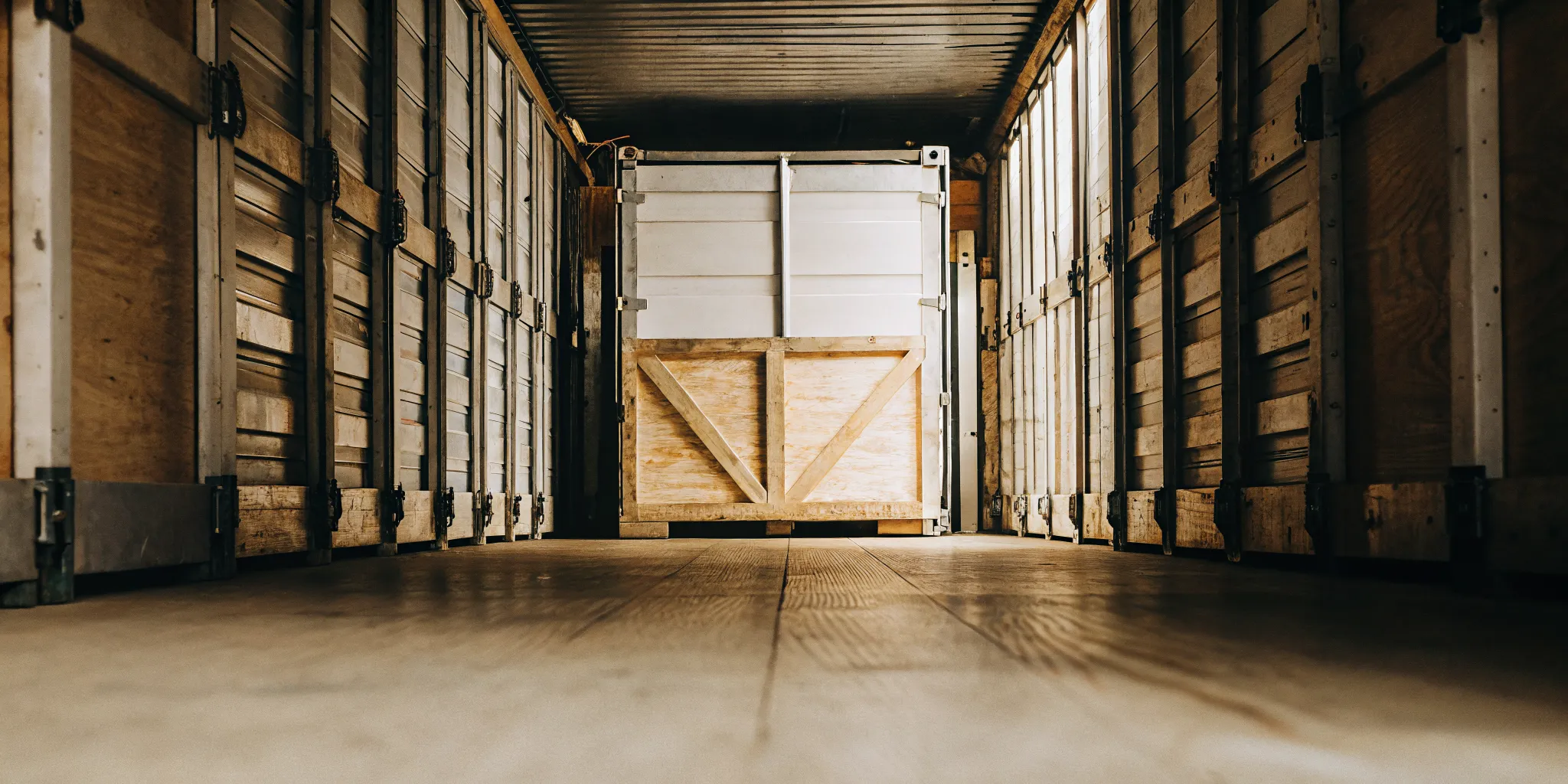
An interior inspection should cover the floor, walls, doors, seals, and evidence of water entry.
A cargo-worthy evaluation asks: is the structure fit for cargo service?
A cargo-worthy evaluation goes beyond whether rain can get in. It considers structural components and repairs that may matter when the unit is lifted, moved, loaded, or stacked in service. Buyers should ask who completed the evaluation, when it was completed, and whether the sale includes documentation appropriate for the intended movement.
Neither label removes the need to inspect the actual unit. Condition grades can be described differently by different sellers, and used containers vary from unit to unit.
Which Grade Should You Choose?
Choose WWT when the container will stay on land
A wind-and-watertight container is often the practical choice for stationary storage. If your priorities are a dry interior, functional doors, a secure lock point, and a usable floor, paying for cargo-related condition or documentation may not add value. This is especially true for a container placed behind a business, on a farm, or at a construction site.
Choose cargo-worthy when the unit will carry cargo
If the container will be used for cargo transport, start with a cargo-worthy unit and verify all current transport requirements. Discuss the planned route with the seller, carrier, or freight forwarder. Do not assume that a verbal grade description alone is enough for booking.
Ask for guidance on modification projects
For an office, studio, workshop, or other conversion, the best starting condition depends on the design. A WWT unit may work for a straightforward ground-level project, while more complex cuts, connections, or structural demands may justify a container in stronger condition. Any modification that removes wall sections or changes load paths should be planned carefully. See Mann's Cans' examples of past container work for project inspiration, then discuss the design before selecting a unit.
Consider a newer container when appearance matters
If you want cleaner paint, fewer dents, and less evidence of previous use, a one-trip or newer unit may be a better fit than either used grade. A condition label should match the job, but it should also match your expectations when the container will be visible to customers or neighbors.
Used-Container Inspection Checklist
Whether you are shopping for cargo-worthy or wind-and-watertight condition, inspect the specific container whenever possible. If an in-person inspection is not practical, request current photos or video of the actual unit rather than relying only on representative images.
- Roof:
Look for deep dents that can hold water, holes, heavy corrosion, and questionable repairs.
- Walls:
Check for punctures, severe bowing, major rust-through, and repairs that affect your intended use.
- Doors:
Open and close both doors. Inspect locking bars, hinges, handles, and seals.
- Floor:
Look for soft areas, holes, major stains, delamination, and damage near the doorway.
- Frame and corners:
Examine corner posts, rails, and castings for significant bends, cracks, or poor repairs.
- Interior:
Check for daylight, moisture, odors, and signs of prior leaks.
- Underside:
Ask about crossmember and undercarriage condition, especially if the unit will be loaded heavily.
- Locking security:
Confirm the doors and lockbox, if present, suit your security plan.
- Identification and paperwork:
Record the container number and inspect the CSC plate if transport is planned.
Also consider the contents you plan to store. Sensitive goods may require ventilation, insulation, moisture control, shelving, or a newer container even when the shell is WWT.
Questions to Ask Before Buying
- Is this the actual container I will receive?
Ask whether photos and condition notes refer to the specific unit.
- How was its condition checked?
Request details about the inspection, who completed it, and when.
- What does the quoted grade guarantee?
Clarify the seller's definition of WWT or cargo-worthy in writing.
- Are there known leaks, floor issues, difficult doors, or structural repairs?
A direct condition conversation reduces surprises.
- If I plan to ship cargo, what documents are included?
Confirm current inspection status and carrier requirements before buying.
- What size fits the site?
Compare usable space, access, and placement needs before choosing a 20-foot or 40-foot unit.
- Can the delivery truck reach and place it safely?
Discuss clearance, ground conditions, slope, and the final orientation of the doors.
Check container options with Mann's Cans and share the job the unit needs to perform. Availability and the condition of specific used units can change, so a direct conversation is the best next step.
Do Not Forget Delivery and Site Preparation
The correct grade will not solve an unsuitable placement site. Before delivery, make sure the area is accessible, firm, and reasonably level. Uneven support can cause a container to twist, which may make doors difficult to operate even when they worked properly before placement.
Ask how much straight-line and overhead clearance the delivery method requires. Account for gates, trees, utility lines, soft ground, slopes, and the direction the container doors should face. Preparing the site before the truck arrives protects the container and makes placement more efficient.
Frequently Asked Questions
Is cargo-worthy better than wind-and-watertight?
Not for every buyer. Cargo-worthy is the better starting point when the unit must carry cargo or when verified structural condition is important. Wind-and-watertight is often the more practical choice for stationary storage because its condition standard focuses on keeping ordinary wind and rain out. The better grade is the one that matches the job.
Can a wind-and-watertight container be shipped overseas?
A WWT label does not represent a container as suitable for international cargo transport. Ocean shipment may require a cargo-worthy evaluation, current CSC inspection status, appropriate documentation, and acceptance by the carrier or freight forwarder. Confirm every requirement before buying or booking transport.
Does cargo-worthy mean a container has no leaks?
Cargo-worthy condition focuses on whether the container is structurally fit to carry cargo, but buyers should still ask about weather resistance and inspect the specific unit for holes, seals, roof condition, and past repairs. Do not treat either grade label as a substitute for a clear condition report.
How can I tell whether a used container is wind-and-watertight?
Inspect the actual unit or request current photos and video. Look for roof or wall holes, failed door seals, difficult doors, floor damage, moisture, and daylight entering the closed container. Ask the seller how the WWT check was performed and what the quoted condition includes.
Should I choose WWT or cargo-worthy for a container conversion?
It depends on the design. A simple ground-level workshop or storage conversion may begin with a WWT unit, while extensive cuts, structural connections, or demanding uses may call for stronger starting condition. Discuss the design and planned modifications before selecting a specific container.
The Bottom Line
For most stationary storage buyers, a wind-and-watertight container can provide the right combination of function and value. For cargo movement, start with cargo-worthy condition and verify the current documentation and carrier requirements for the specific unit. For custom projects, let the design, structural demands, appearance goals, and budget guide the decision.
The most reliable purchase is not the container with the most impressive grade name. It is the specific container whose condition has been clearly explained, inspected for the intended job, and matched to a prepared delivery site. Talk with Mann's Cans about your use case and current availability before making the final choice.

Comments