

Updated: Sep 15
A container rental quote is more than a monthly rate. Your shipping container rental cost depends on the unit, rental duration, delivery distance, site access, placement needs, and pickup requirements. Planning these details before requesting a quote makes it easier to compare options fairly and avoid surprises.
The shipping container rental cost depends on container size and condition, rental duration, local availability, delivery distance, site access, placement needs, and optional features. The most reliable way to budget is to request a written quote that separates the recurring rental charge from every one-time fee.
Renting often fits temporary, seasonal, or changing storage needs. Rent-to-own or purchasing may make more sense when the container will remain in service for years. This guide explains the questions to ask before choosing among those options, without relying on generic prices that may not match current inventory or your site.
What determines shipping container rental cost?
In short: The total is shaped by the unit, rental period, delivery route, placement conditions, and the services included. Comparing only the monthly rate can hide meaningful differences between quotes.
Container size and condition
A standard 20-foot container is a common choice for home storage and smaller job sites. A 40-foot unit offers twice the floor area, but it also needs more room for delivery and placement. Compare usable space, what you plan to store, and the room available on your property before choosing. You can review available shipping container options before requesting a quote.
Condition also matters. One-trip units usually have limited wear, while used wind-and-water-tight units may have cosmetic dents or surface rust but remain practical for storage. High-cube and specialty configurations can affect availability. Ask the provider to identify the condition grade and included features in writing.
Delivery, pickup, and setup
Most rental projects include a drop-off and a later pickup. Transport costs reflect distance, driver time, truck requirements, and site complexity. A straightforward placement on firm, level ground is different from a delivery involving a narrow drive, soft yard, steep grade, or overhead obstacles.
Ask whether the quote includes both delivery and pickup. Also ask what could trigger a site-related charge or failed-delivery fee. Sharing measurements and photos before scheduling gives the provider a better chance to identify problems early.
Rental terms and local availability
The length of the agreement affects both flexibility and total commitment. Shorter terms can work well for temporary needs, while longer arrangements may use a different rate structure. Current local inventory matters too. The provider must match your requested size, condition, and delivery date with an available unit.
How do size and condition affect a quote?
The practical choice is the smallest container that safely fits your storage needs and delivery site. Paying for unused capacity is inefficient, but choosing a unit that is too small can require a second rental or an unexpected change.

20-foot and 40-foot containers
A 20-foot container has about 160 square feet of floor area and often fits residential projects, renovations, and compact job sites. A 40-foot container has about 320 square feet and can suit commercial inventory, equipment, or larger construction needs. The longer unit requires a larger clear approach for delivery.
Standard height, high cube, and specialty features
Standard containers are generally about 8 feet 6 inches tall. High-cube units add roughly one foot of height, which can help with tall equipment or conversion projects. Extra doors, side access, vents, shelving, lock boxes, and other features may improve usability, but they can also change availability and the quote.
Condition grades
Newer one-trip containers tend to have fewer dents and less cosmetic wear. Used wind-and-water-tight containers prioritize functional storage rather than appearance. Ask what inspection is performed, how the doors operate, and whether the floor, seals, and roof have been checked.
Container type | Often fits | Key quote question |
20-foot standard | Home storage and smaller sites | Is there enough space for delivery? |
40-foot standard | Commercial and larger projects | What clear approach is required? |
High cube | Tall equipment or conversions | Is this configuration currently available? |
Modified container | Specialized access or workspace | Which features are included? |
How does rental duration change the total?
Rental duration changes the total even when the monthly charge stays the same. Estimate a realistic end date, then compare the full commitment and extension terms rather than selecting the lowest advertised monthly figure.
Minimum periods and billing cycles
Ask about the minimum rental period, billing cycle, extension process, and pickup notice. A project that ends between billing dates may still create another charge depending on the agreement. Confirm how the provider handles partial periods and whether the monthly rate changes after a certain date.
Planning for delays
Renovations and construction projects often run longer than expected. Seasonal inventory needs may also change quickly. Build a reasonable buffer into the timeline, but avoid keeping the unit simply because pickup was not scheduled. Record the notice deadline and contact the provider before the next billing cycle.
Which delivery and placement costs should you plan for?
Site access can turn a routine delivery into a more complex placement. Firm ground, adequate straight-line clearance, a clear turning path, and freedom from overhead obstacles help reduce the chance of delays or extra equipment.
Prepare a level, stable base
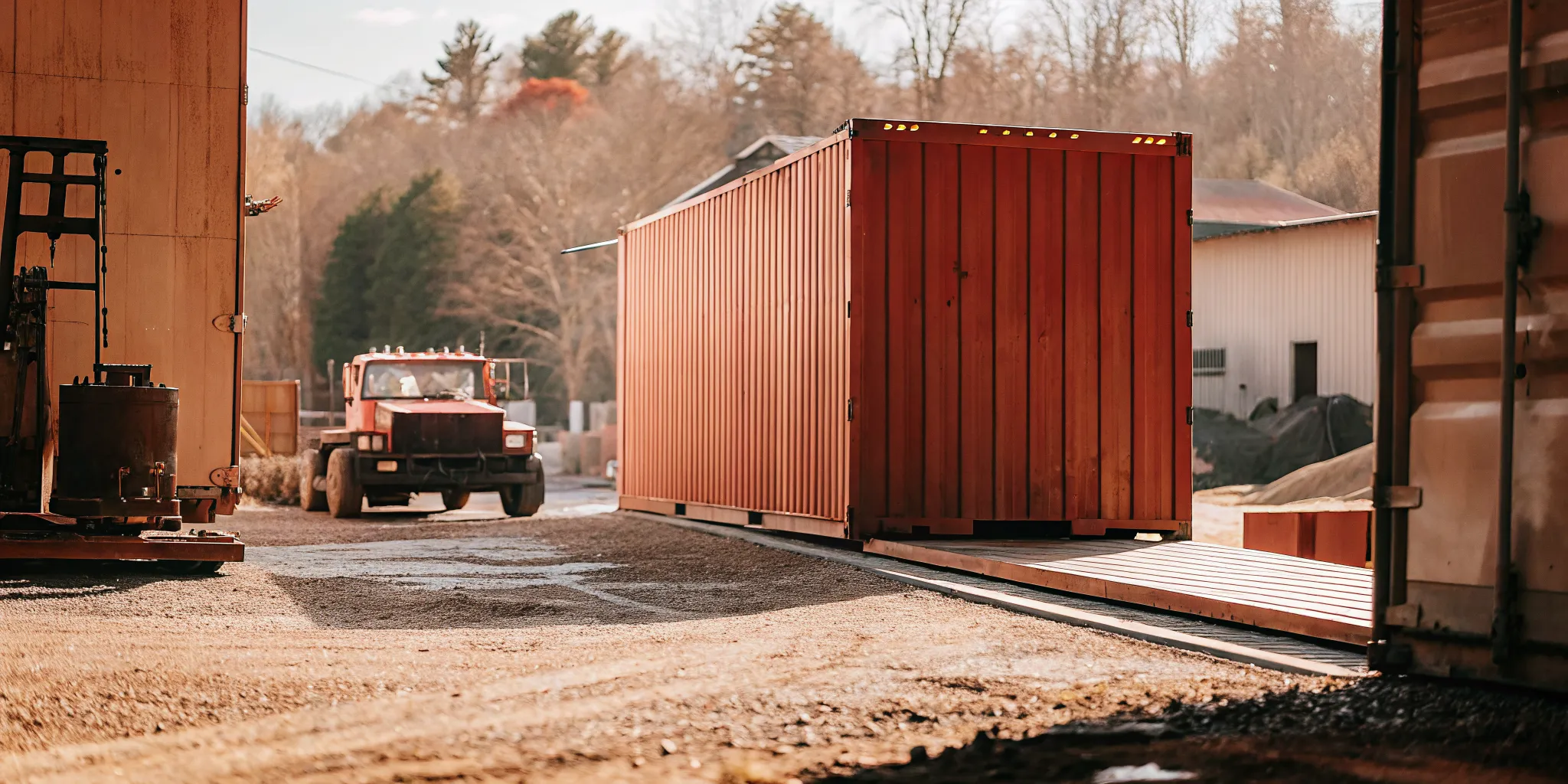
A container should sit on a firm, level location that supports its corners and allows the doors to operate properly. Gravel or suitable supports may help with drainage and stability, depending on the site. Soft ground can cause settling, while an uneven base can twist the frame and make doors difficult to use.
Check the complete delivery path
Do not measure only the final parking spot. Check the route from the road to the placement area, including gates, turns, slopes, trees, parked vehicles, wires, and other overhead obstacles. A longer container generally requires more straight-line room for a tilt-bed delivery. Share photos and measurements with Mann's Cans so the delivery method can be evaluated.
Use this pre-delivery checklist
- Measure the route:
Record gate widths, turns, and the final placement area.
- Clear obstacles:
Move vehicles, bins, materials, and low branches.
- Inspect the surface:
Identify mud, soft ground, steep slopes, and drainage issues.
- Look overhead:
Note wires, limbs, and structures along the approach.
- Mark orientation:
Show where the doors should face.
- Confirm local requirements:
Check whether placement needs property or municipal approval.
Should you rent, rent-to-own, or purchase?
Rent for flexibility, consider rent-to-own for a gradual path to ownership, and buy when long-term control matters most. The best option depends on timeline, cash flow, modification plans, and whether you have a permanent site.
When renting fits
Renting can work well for job sites, seasonal inventory, renovations, moves, and other temporary needs. It limits the initial commitment and allows the unit to be removed when the project ends. Confirm who handles maintenance, what condition is expected at pickup, and what happens if the project runs long.
When rent-to-own fits
Rent-to-own may fit someone who expects to keep a container but prefers payments over an outright purchase. Review how payments apply toward ownership, the available term lengths, early payoff rules, and what happens if the agreement ends early. Mann's Cans offers multiple acquisition paths, and its guide to a rent-to-own 40-foot container explains this option in more detail.
When purchasing fits
Purchasing may suit permanent storage, container modifications, or long-term business use. Ownership offers more control, but the initial expense and responsibility are higher. Compare a complete purchase quote with projected rental totals over the realistic period of use, including delivery and site preparation.
Questions to ask before choosing a container rental
A clear written quote should answer what you are getting, what you will pay, and what both parties must do. Use the same questions with every provider so you can make an accurate comparison.
Which container size, height, condition grade, and features are included?
What are the recurring rental charges and one-time charges?
Are delivery and pickup both included in the written total?
What site conditions or access problems could add charges?
What is the minimum rental period and billing cycle?
How much notice is required for pickup?
Who is responsible for damage, maintenance, and security?
Can the agreement be extended, converted to rent-to-own, or purchased?
A local provider should also understand regional delivery conditions and be able to discuss the placement site directly. Mann's Cans serves the Pittsburgh metropolitan area, Westmoreland County, and Washington County with container sales, rentals, and delivery options.
Before accepting a quote, read the agreement from beginning to end. Check when billing starts, how extensions work, and when you must request pickup. Confirm whether the container must be empty, swept, and accessible before removal. Ask how damage is documented at delivery and pickup, and take your own photos for reference.
It also helps to describe what you plan to store. Equipment, household goods, inventory, and building materials can have different access and ventilation needs. Discuss security, door clearance, and how often the container will be opened. These details help you choose a useful unit instead of paying for features that do not support the project.
Frequently asked questions
What fees should I expect besides the monthly rental rate?
A complete quote may include delivery, pickup, distance or fuel charges, site-related fees, taxes, and optional features. Ask the provider to separate recurring charges from one-time charges. Confirm damage responsibilities and pickup notice requirements too.
Does a longer rental term lower the shipping container rental cost?
The rate structure may change with the rental term, but the lowest monthly rate does not always produce the lowest total cost. Compare the full commitment for each term, including minimum periods and extension rules. Choose the option that matches a realistic schedule.
How much space is needed to deliver a shipping container?
The required space depends on the container and delivery truck. The provider needs enough firm, clear ground to approach, turn, and unload safely. Share photos and measurements, including slopes, gates, branches, wires, and the desired door direction.
When does buying make more sense than renting?
Buying may fit when you expect long-term use, want to modify the container, and have a permanent placement site. Renting usually offers more flexibility for temporary needs. Compare projected rental expense with a complete purchase quote.
How can I get an accurate container rental quote?
Provide your preferred size, intended use, location, expected rental period, site conditions, and desired delivery date. Ask which conditions and features are currently available. Detailed information helps the provider identify access issues and quote the right unit.
Which container condition is right for storage?
The right condition depends on how you will use the container and how important appearance is to the project. Ask what inspection is performed and whether the doors, floor, seals, and roof have been checked. A provider can help match the unit to the intended use and current availability.
What should I do before container delivery?
Measure the complete delivery path, clear obstacles, inspect the surface, and note overhead wires or branches. Share the site details and desired door direction with the provider before scheduling. Keep the placement area open until the driver has finished and confirmed the doors work correctly.
Request a current shipping container rental quote
Mann's Cans can help you compare available container sizes, rental terms, and delivery considerations for your Pittsburgh-area project. Provide your expected timeline and site details to receive a quote based on current availability rather than a generic estimate.

Comments