

Everyone wants to get a great deal, but when it comes to shipping containers, "cheap" can sometimes mean "trouble." The key is to find great value, not just a low price. Understanding what goes into the final 20ft shipping container delivered price is the first step to becoming a savvy buyer. Factors like the container's grade, market demand, and your distance from the depot all play a role. This article will show you how to save money without sacrificing quality. We’ll explore the benefits of used containers, explain our flexible rent-to-own program, and give you the right questions to ask to ensure you get a transparent quote with no hidden surprises.
Key Takeaways
- Calculate the True Cost
: Remember that the final price includes more than just the container. Factors like its condition (new versus used), delivery distance to your property, and market demand all play a role in the total.
- Ensure a Smooth Delivery by Prepping Your Site
: A successful delivery requires a little planning. You'll need a solid, level foundation to prevent issues later and a long, clear path (about 110 feet for a 20ft container) for the delivery truck.
- Choose the Right Option for Your Budget
: You can find significant savings by opting for a used container that fits your needs instead of a new one; also, consider flexible solutions like a rent-to-own program to get storage without a large upfront purchase.
So, What's the Real Cost of a 20ft Shipping Container?
Trying to pin down the exact cost of a shipping container can feel a bit like chasing a moving target. You might see a price listed online and think you have it all figured out, but that number is usually just the starting point. The final price you pay for one of our storage containers depends on several key factors, including whether you choose a new or used unit, its condition, where you're located, and how it will be delivered to your property. It’s a common question we get, and the honest answer is: it depends.
Think of it like buying a car. The sticker price is one thing, but taxes, destination fees, and any add-ons will change the final total. The same logic applies here. The container itself is the main component, but delivery logistics and market conditions play a huge role in the final number on your invoice. We believe in being upfront about all the costs involved so you can budget accurately and feel confident in your purchase. In the sections below, we’ll break down what goes into the total price, from the base cost of the container to the delivery fees, so you know exactly what to expect when you get your quote.
The Price of a New Container
If you’re looking for a pristine unit with a long life ahead of it, a new container is an excellent choice. Generally, a new 20ft shipping container will cost somewhere between $1,500 and $3,500. These are often called "one-trip" containers because they’ve made just one journey across the ocean carrying cargo. This means they arrive in near-perfect condition, with minimal to no scratches, dents, or rust. A new container is a blank canvas, perfect for a custom home office, a stylish studio, or secure business storage where appearance matters just as much as durability.
The Price of a Used Container
For those focused on function and budget, a used container is a fantastic, cost-effective solution. Buying a used 20ft container is often significantly cheaper than buying new, and since these units are built from industrial-grade steel, they still have decades of life left in them. The price of a used container varies based on its condition and grade, from "cargo-worthy" units certified for shipping to "wind and watertight" boxes perfect for storage. You can save a good amount of money while still getting a secure, durable structure for your project or storage needs.
Why the Sticker Price Isn't the Final Price
The price tag on the container itself is just one piece of the puzzle. The final cost includes several other important variables that you need to factor into your budget. The biggest additional expense is almost always delivery. The cost to transport the container from our lot to your location will depend on the distance and the type of truck required. Beyond that, factors like market demand, fuel surcharges, and any customizations you request will also affect the total. We make sure our quotes are transparent, but it’s helpful to remember that the container’s price is just the beginning of the final calculation.
What Factors Influence the Final Price?
When you’re shopping for a shipping container, you’ll quickly notice that the sticker price is more of a starting point than a final number. Several key factors work together to determine your total cost. Understanding these variables ahead of time helps you set a realistic budget and ensures there are no surprises when it’s time to pay. From the container’s history to your own backyard, let’s break down what really goes into the final price you’ll pay for your container.
Container Condition and Grade
The biggest factor influencing price is the container's condition. A brand-new, one-trip container will naturally cost more than a used one that’s seen a few trips across the ocean. But even among used containers, there’s a wide range of conditions. Terms like "Cargo-Worthy" or "Wind and Watertight" are used to grade a container's quality, and each grade comes with a different price tag. A container that’s simply guaranteed to be weatherproof will be more affordable than one certified to carry international cargo. Knowing what you need the container for will help you choose the right grade without overspending.
Your Location
Where you are located plays a surprisingly large role in the final cost. Shipping containers are large, heavy items, and moving them isn't cheap. Prices can vary from one city to another based on availability at local depots and the distance from those depots to your property. That’s why it’s always a good idea to get a quote that includes delivery to your specific zip code. This ensures the price you see reflects the cost of getting the container to your doorstep, not just the price of the box itself.
Delivery and Site Access
Beyond your general location, the specifics of your delivery site also affect the price. The cost of delivery depends on the distance the truck has to travel and the type of equipment needed. You’ll need to make sure your delivery spot is flat, clear, and has plenty of room for a large truck to maneuver and unload the container. If the site is difficult to access, it might require special equipment or more time, which can add to the delivery fee. We can help you figure out the best way to get one of our storage containers exactly where you need it.
Market Demand
Like many other products, shipping container prices are influenced by supply and demand. The global economy, the number of available containers in circulation, and how many people are looking to buy them all play a part. For example, during busy seasons for shipping or construction, prices can tick upward because demand is high and fewer containers are available. While you can’t control the market, being aware of these trends can help you understand why prices might fluctuate throughout the year.
Customizations and Add-Ons
A basic container is just the beginning. If you’re planning to turn your container into an office, a workshop, or a custom storage space, any modifications will add to the total cost. Adding windows, doors, electrical wiring, insulation, or shelving are all popular customizations that transform a simple steel box into a functional space. At Mann’s Cans, we love bringing your ideas to life, and you can see examples of our past work to get inspired. When you request a quote, be sure to include any customizations you have in mind so we can give you a complete and accurate price.
Choose the Right Container Grade for You
When you start looking at used shipping containers, you’ll quickly realize they come in different "grades." This isn't just industry jargon; it's a system that tells you about the container's history and condition, which directly impacts its price and performance. Understanding these grades is the key to finding the perfect container for your project and your budget. You don't want to overpay for a pristine container when a more weathered one would do the job, and you definitely don't want a leaky box when you need to keep your belongings dry and secure.
Think of it like buying a used car. You have options ranging from certified pre-owned to a fixer-upper, and each has its place. A container that spent years crossing the ocean will look different from one that only made a single trip. We’ll walk through the main container grades you’ll encounter, from nearly new to well-loved, so you can feel confident you’re making the right choice. By the end, you'll know exactly what to look for in our storage containers to match your vision, whether you're building a backyard office or just need a place to store your tools.
One-Trip" or New
If you want a container that looks sharp and is in near-perfect condition, a "one-trip" container is your best bet. These are often sold as new containers because they’ve only made a single journey from their manufacturing site in Asia, usually carrying a single load of cargo. They are the freshest containers you can get without having one custom-built.
You can expect a one-trip container to have a flawless paint job, a clean interior, and maybe just a few minor scuffs from its solo voyage. Because of their pristine condition, they are the top choice for projects where appearance matters, like a backyard office, a pop-up shop, or a stylish studio. They are the most expensive of the used grades, but you’re paying for quality and aesthetics.
Cargo-Worthy
A Cargo-Worthy (CW) container is a fantastic middle-ground option that offers a great balance of price and quality. To earn this grade, a container must be inspected and certified to be structurally sound enough for international shipping. This means it’s built to withstand the harsh conditions of being stacked on a cargo ship and crossing the ocean.
While it will show more signs of a working life than a one-trip container, like some dings, dents, and surface rust, a CW container is guaranteed to be wind and watertight. This makes it an excellent, durable choice for secure on-site storage, a home workshop, or as a solid base for a building project. If you need a tough, reliable box and don't mind a bit of cosmetic character, a used container with a CW grade is a smart move.
Wind and Watertight
A Wind and Watertight (WWT) container does exactly what its name promises: it keeps the elements out. It’s a retired shipping container that no longer has an active certification for cargo shipping but is still perfectly capable of providing dry, secure storage. These containers will have more visible wear and tear, such as more extensive rust and dents, compared to a Cargo-Worthy unit.
This grade is a budget-friendly workhorse. It’s the ideal solution when you just need a simple, no-frills space to store tools, equipment, inventory, or anything else you need to protect from rain and wind. If you’re not concerned about a flawless appearance and just need reliable, basic storage, a WWT container offers incredible value.
"As-Is
"As-Is" containers are the most affordable option available, but they come with a big "buyer beware" sticker. These are containers at the end of their functional life, and they are sold without any guarantees. An "as-is" container can have significant rust, large dents, warped doors, or even holes in the walls or roof.
So, who buys these? They are best suited for projects where weather protection isn't a priority or for buyers who are prepared to do significant repairs. For example, you might use one to store scrap metal or as a base for a major modification project where you'll be cutting and welding anyway. If you're considering an "as-is" container, be sure to inspect it thoroughly so you know exactly what you're getting into.
How Your Container Gets From Our Lot to Yours
So, you’ve picked out the perfect container. Now for the exciting part: getting that big steel box to your property. The delivery process is a crucial piece of the puzzle, and understanding how it works will ensure everything goes smoothly on the big day. We handle all the logistics to bring our storage containers directly to your door, but knowing what to expect helps everyone.
The main things to consider are the type of delivery truck we’ll use and the space you have available on your site. We primarily use two types of trucks: a tilt-bed, which does all the unloading work for you, and a flatbed, for when you have your own equipment to lift the container. The right choice depends entirely on your setup. Beyond the truck, factors like the driving distance to your location and how quickly you need the container will also play a role in the final plan. We’ll walk through all of it together, but this guide will give you a great head start.
Tilt-Bed Truck Delivery
The tilt-bed truck is our most popular delivery method, and for good reason. Think of it as a tow truck for shipping containers. The driver simply backs into position, tilts the truck bed back, and gently slides the container right onto the spot you’ve prepared. This is the perfect option if you don’t have a forklift or crane on hand, as it requires no special equipment on your end.
The key to a successful tilt-bed delivery is space. The truck needs a clear, straight path to get in and out. You’ll need about 65 feet of length, 12 feet of width, and 16 feet of overhead clearance (watch out for trees and power lines). This gives the driver enough room to maneuver and safely unload your container.
Flatbed Truck Delivery
If your property is already equipped with heavy machinery, a flatbed truck delivery might be the right fit for you. This is a standard flatbed trailer that hauls the container to your site. However, unlike a tilt-bed, it doesn’t have a mechanism to unload the container itself. For this method, you’ll need to have a forklift or crane ready to go.
Your equipment needs to be strong enough for the job, which usually means a forklift with at least a 10,000-pound lifting capacity. The truck will also need about 14 feet of vertical clearance for unloading. This option is often used for construction sites or commercial properties that are used to handling heavy materials. It’s a straightforward process if you have the gear.
How Far Is the Drive?
One of the biggest factors in your delivery cost is the distance from our lot to your location. It’s a pretty simple equation: the longer the drive, the more it costs in fuel and time for our driver. When you request a quote, we calculate the mileage to your specific address to give you an accurate price.
We always aim to be as efficient as possible to keep these costs down. If you're weighing the costs of different options, like purchasing versus our rent-to-own program, factoring in the one-time delivery fee is a smart move. Being upfront about this helps you budget properly without any surprises. We’ll map out the best route to get your container to you safely and cost-effectively.
What's the Wait Time?
Once you’ve placed your order and your container is all set, you’re probably eager to get it on-site. We get it. Our goal is to get your container to you as quickly as possible. Typically, you can expect delivery within one to three business days. This gives us time to finalize the logistics and schedule a driver for your route.
Of course, this timeframe can sometimes vary depending on your location, our delivery schedule, and any special requests you might have. When you order your 20 FT Brand New Container, we’ll give you a more precise delivery window so you know exactly when to expect us. We’ll keep you in the loop every step of the way.
Watch Out for Hidden Fees
We believe in being completely transparent with our pricing, and that includes delivery. The last thing anyone wants is an unexpected charge on their invoice. While we provide a clear, all-in quote, it’s helpful to know about potential industry-wide fees that can sometimes pop up. These might include things like fuel surcharges if gas prices spike, or extra charges for deliveries in very busy seasons.
Our team works hard to build these variables into your initial quote so there are no surprises. By discussing your site and needs upfront, we can provide a final price that you can count on. Our goal is to make the process simple and straightforward, ensuring you feel confident from the moment you get a quote to the moment your container arrives.
Get Your Site Ready for Delivery
You’ve picked out your container, and delivery day is on the calendar. This is the exciting part! A smooth delivery day starts with a little bit of prep work. Taking a few simple steps beforehand ensures our truck can get in, drop off your container exactly where you want it, and get out without any surprises. Think of it as rolling out the welcome mat for your new storage solution.
Getting your site ready isn't complicated, but it is important for the safety of the delivery team and the long-term health of your container. You’ll want to think about your local rules, where the container will sit, and the path our truck will take to get there. A well-prepared site protects your property and your new investment. We’ve delivered hundreds of storage containers and have seen it all, so we’ve put together this checklist to help you get everything in order. Following these steps will make delivery day a breeze. From checking local permits to clearing a path, each step plays a role in a successful delivery. It's about making sure the ground is solid, the access is clear, and there are no legal hiccups. This preparation not only facilitates a seamless drop-off but also sets your container up for a long, useful life, free from issues like uneven settling or water damage. We want you to be happy with your container from day one, and that starts with a perfect delivery.
Check Local Rules and Permits
Before our truck heads your way, it’s smart to do a quick check-in with your local city or county office. Some areas have specific rules about placing shipping containers on residential or commercial properties, and you might need a permit. This can depend on zoning laws or even your homeowner's association guidelines. A quick phone call or a visit to your local government's website can save you a lot of potential headaches. It’s always better to know the rules upfront so you can place your container with confidence and avoid any unexpected issues down the road.
Prep the Foundation
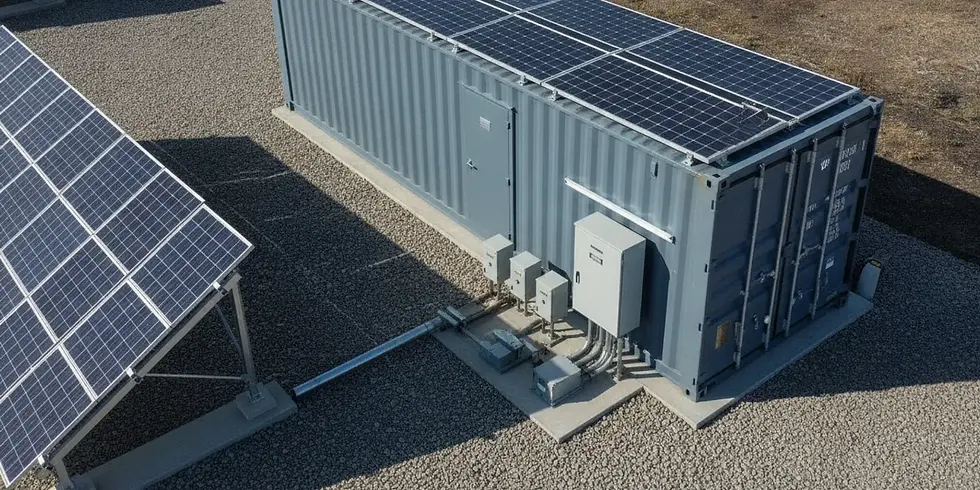
A solid, level foundation is key to your container’s stability and longevity. Without one, your container could shift, settle unevenly, or sink over time, which can make the doors difficult to operate. A good foundation also lifts the container off the ground, protecting it from moisture that can cause rust and preventing pests from making a home underneath. You don't need anything complicated; a level pad of gravel, concrete blocks, or railroad ties works perfectly. The main goal is to create a stable surface that supports the container’s four corner posts evenly. This is an important step for any container, whether you buy it outright or use our rent-to-own program.
Clear Enough Space
Our delivery trucks need a clear, straight path to place your container safely. Think of it like a runway. For a 20 ft brand new container, you’ll need about 110 feet of straight clearance. If you’re getting a 40 ft container, plan for around 130 feet. This space allows the truck to pull straight in or back straight up to the drop-off spot. Before we arrive, take a walk through the delivery path and make sure it’s free of any obstacles like parked cars, equipment, or debris. Also, remember to look up and check for low-hanging tree branches or overhead power lines.
Plan for Drainage and Security
Proper drainage is crucial for keeping your container in great shape. By placing it on a foundation, you’re already taking the most important step. Lifting the container even a few inches allows air to circulate underneath and prevents water from pooling, which is the number one defense against rust. Make sure the ground itself is level, as this prevents the container from tilting, which could cause water to collect on the roof or around the base. A level container also ensures the doors will open and close smoothly, keeping your belongings secure and accessible.
What to Expect on Delivery Day
The day your container arrives is exciting, but a little prep work goes a long way in making sure everything goes off without a hitch. A smooth delivery depends on having a clear and accessible site. Think of it like moving a large piece of furniture into your house; you need to measure the doorways and clear the path first. The same principle applies here, just on a much bigger scale. Let’s walk through what you need to check before the delivery truck heads your way.
Can the Truck Get In?
Before we can place your container, our truck needs a clear and stable path from the street to your desired spot. Take a walk through the planned delivery route and clear away any potential obstacles like parked cars, equipment, or yard debris. The ground itself is just as important. Our delivery trucks are heavy, so the surface needs to be firm and dry. Soft grass, mud, or loose gravel can cause the truck to get stuck, which can delay your delivery. A solid, level surface ensures our driver can safely and efficiently place your storage container right where you want it.
Look Up and Look Ahead: Clearance Needs
It’s not just about the ground; you also need to look up. The delivery truck needs plenty of overhead clearance to operate safely. As a rule of thumb, you’ll need at least 15 feet of vertical clearance for the truck to drive through and up to 22 feet at the drop-off point for unloading. Be sure to check for low-hanging tree branches, roof eaves, and especially power lines. You also need a good amount of straight, unobstructed space. For a 20ft container, you’ll need about 110 feet of straight clearance, which is almost the length of three school buses parked end-to-end.
The Unloading Process
Once your container is ready, delivery usually happens within a few business days. The most common delivery method is with a tilt-bed truck. This truck works by tilting the bed downwards, allowing the container to slide gently onto the ground in your designated spot. It’s the perfect hands-off option if you don’t have your own heavy machinery. Alternatively, if you have a heavy-duty forklift or crane on-site, we can deliver using a flatbed truck. This is a great choice for construction sites or industrial yards. Choosing the right delivery method for your situation helps make the process seamless, and we can discuss these flexible options when you arrange your delivery.
Should You Get a 20ft or 40ft Container?
Choosing between a 20ft and a 40ft container is one of the first big decisions you'll make. It can feel a little daunting, but the right choice usually comes down to three things: what you're storing, how much space you have on your property, and your budget. Think about not just what you need to store today, but what you might need in a few years.
A 20ft container is our most popular size, and for good reason. It offers about 1,170 cubic feet of storage, which is perfect for the contents of a one or two-bedroom apartment, a small business's inventory, or all the tools for a serious hobbyist. It’s a versatile choice that fits comfortably on most properties without completely taking over your yard.
If you need significantly more room, a 40ft container provides double the storage. Think of it as a small warehouse. This size is ideal for larger households, commercial equipment, or ambitious conversion projects like a home office or studio. While it costs more upfront, the price per square foot is often a better value if you know you’ll use the space.
Before you commit to a 40ft container, grab a tape measure. You need to confirm you have enough level ground for the container itself, plus plenty of clearance for the delivery truck to maneuver. Sometimes, two separate 20ft containers can offer more flexibility than a single 40ft unit, especially if you want to organize different types of items. If you're unsure about the long-term commitment, our rent-to-own program is a great way to get the storage you need now with the flexibility to adapt later.
How Can You Save on Your Container?
Getting a great deal on a shipping container doesn't have to be a mystery. With a little bit of planning and by knowing what to ask for, you can find a high-quality container that fits your budget. It often comes down to understanding your options and deciding what trade-offs you’re willing to make. Here are a few straightforward ways to keep costs down without sacrificing what you need.
Choose Between New and Used
One of the first and most significant decisions you'll make is whether to buy a new or used container. A brand-new, one-trip container looks pristine but comes with a higher price tag. If your budget is a top priority, you can find substantial savings by looking at used containers. These units have been on a few journeys but still have plenty of life left in them. A used container in good condition can be just as secure and watertight as a new one, making it a smart choice for storage or a project base while leaving more money in your pocket.
Explore Rent-to-Own Options
If you’re not quite ready to make a full purchase, or if you only need a container for a specific project, a rental might be the perfect fit. Renting gives you the flexibility to use a container without the large upfront investment. For those who think they might need a container long-term but want to test the waters first, our rent-to-own program is an ideal solution. It allows you to get the storage you need right away while your payments go toward eventual ownership. This path offers a great balance between immediate access and a long-term investment.
Ask About Deals and Promotions
It never hurts to ask what specials are available. Companies often have deals or promotions that might not be advertised on the front page of their website. When you’re getting a quote, be direct and ask if there are any current discounts. A reputable supplier will also be transparent about all costs, including delivery, so you aren't surprised by hidden fees later. Getting a clear, all-in price helps you accurately compare your options and find the best value for your storage containers. Don’t be shy; a simple question could lead to a better deal.
Ready to figure out the real cost? Getting an accurate quote for your shipping container is straightforward, but it involves more than just a sticker price. The final number depends on a few key factors, and knowing what they are ahead of time will help you budget without any last-minute surprises. The price of a container shifts based on its condition, age, and current market demand, so what you see online is often just a starting point.
The most important piece of information you can provide is your delivery location. Delivery costs are a significant part of the final price, and they change based on how far the container has to travel to get to you. That’s why it’s so important to give your ZIP code when you request a price. This allows us to calculate the total cost, including delivery, giving you a clear and complete picture. Whether you're looking at a brand new 20ft container or a used 40ft model, your location is the key to an accurate quote.
Finally, think about your delivery spot. Is it flat, clear, and easy for a large truck to access? The smoother the delivery process, the better. Before you finalize your order, take a moment to assess your property to ensure there's enough room for the truck to maneuver and safely place your container. If you're considering different financing options, our rent-to-own program is a great way to get the storage you need while managing your budget. By providing these details upfront, you help us give you the most precise quote possible.
Related Articles
Frequently Asked Questions
Do I really need a brand-new container, or is a used one good enough? This really comes down to your project and your budget. If you're building a backyard office or a pop-up shop where looks are important, a "one-trip" container is a great investment for its clean, dent-free appearance. However, if you just need secure, weatherproof storage for tools or equipment, a used Wind and Watertight or Cargo-Worthy container is a fantastic, cost-effective choice. They are just as tough and secure, they just have a bit more character from their time at sea.
What's the biggest mistake people make when preparing for delivery? The most common issue we see is underestimating the amount of space needed for the delivery truck. You need a long, straight, and clear path for the truck to maneuver, not just a spot for the container itself. The other thing people sometimes forget is to prepare a solid, level foundation. Placing your container directly on soft ground can cause it to settle unevenly over time, which can make the doors difficult to open and close.
How does the rent-to-own program work? Our rent-to-own program is a great option if you want a container long-term but prefer to spread out the cost. It works much like you'd expect: you make regular monthly payments to rent the container, and a portion of each payment goes toward the final purchase price. It gives you the immediate storage you need with the flexibility of renting, all while you work your way toward owning the container outright.
Besides the container and delivery, what other costs should I expect? We believe in being upfront, so your quote will include the price of the container and the calculated delivery fee. The main variables that could change the price are significant market shifts in supply or fuel costs, but we work to build a stable price for you. The other potential cost is for any customizations you request, like adding doors, windows, or insulation. It's best to mention any modifications you're thinking about when you ask for a quote so we can give you a complete and accurate total.
Okay, but can you give me a real ballpark price for a 20ft container? I know, it's the question everyone wants answered. While the container itself might range from $1,500 to $3,500 depending on its condition, the final price is impossible to know without your delivery zip code. The cost to transport a 20ft steel box can add several hundred dollars or more depending on the distance from our lot to your property. The only way to get a true, all-in number is to request a custom quote with your specific location.

Comments