

Planning a mobile water treatment plant cost means budgeting for more than a container and a treatment skid. The process equipment, capacity, storage, power, site connections, transport, and engineering all shape the final project scope. This guide is for owners and project teams evaluating a containerized enclosure; it does not quote treatment equipment or assume one standard system fits every water source.
What does a mobile water treatment plant cost include?
A useful budget separates the treatment process from the structure that houses it and the work needed to make the system operate at its destination. Depending on the project, those may be supplied by different companies. A container supplier may help with the enclosure and selected modifications, while a qualified water-treatment integrator, engineer, electrician, or site contractor defines and installs other parts.
That distinction matters when comparing estimates. One proposal may cover only a treatment package. Another may include tanks, controls, a modified container, delivery, commissioning, and site connections. Before comparing totals, ask each provider to list what is included, what is excluded, and which party is responsible for coordinating the interfaces.
For container options and project discussions, see shipping container solutions in Pittsburgh and the guide to modified shipping containers. These resources cover container and modification context, not treatment-system design or a complete plant price.
What drives mobile water treatment plant cost?
Treatment technology and source-water conditions
The treatment process is often the biggest unknown until the water source and required output are understood. The system may need one process or several stages, depending on what is in the incoming water and what the treated water must meet. Those decisions affect equipment selection, controls, consumables, maintenance access, and the space the package needs.
Do not choose a process based only on a general label such as well water, surface water, or industrial reuse. Ask the responsible treatment professional what sampling and analysis are needed, what performance criteria apply, and what operating assumptions are reflected in the proposal. Changes to the source water, target quality, or discharge requirements can change the design.
For example, two projects that both describe their input as groundwater may still have different treatment needs because their test results and output requirements differ. A proposal should state what water characteristics it assumes and what happens if later testing falls outside those assumptions. That way, a budget comparison does not mistake a different process scope for a better price.
Capacity and duty cycle
Capacity is not just a single gallons-per-day figure. Clarify the required flow rate, hours of operation, peak demand, expected downtime, and whether the plant must keep running during maintenance. A system sized for intermittent use can differ from one intended for continuous operation or variable demand.
Ask for the design basis in writing. It should identify the expected feed-water conditions, output rate, operating schedule, and any assumptions about redundancy. Higher capacity can mean larger or additional equipment, more electrical demand, larger tanks, and greater space and transport needs. A compact footprint is not necessarily the least expensive option if it requires difficult access or tightly integrated components.
It helps to describe demand as an operating pattern instead of giving one peak number. A site that needs a high flow for a short daily window has a different planning question from a site that needs a lower flow continuously. Ask the treatment designer to explain how the chosen capacity handles peaks, pauses, cleaning, and scheduled maintenance. If production cannot stop, discuss whether standby components or storage are part of the basis; do not assume redundancy is included just because a system is described as mobile.
Tanks, pumps, piping, and controls
Storage tanks can serve as feed, treated-water, or process tanks, but their number and size depend on how the plant runs and connects to the site. Pumps must match the process and operating conditions. Piping, valves, instrumentation, alarms, controls, and interconnections also take space and require careful coordination.
Ask whether quoted equipment includes internal piping and controls, or whether those are allowances. Confirm which tanks are included, their intended use, and how they will be moved and supported. The layout should reserve room for operation, inspection, maintenance, and component replacement rather than fitting equipment as tightly as possible.
Walk through the process sequence with the designer and identify where water enters, where each stage sits, and where treated water exits. Then check how an operator reaches valves, instruments, and service points without moving unrelated equipment. A layout drawing can reveal whether the quote includes access space, equipment doors, hose or pipe connections, and clearance for removing components. If a vendor assumes field piping will connect separate skids, identify who supplies it and where that work stops.
Container size and modification scope
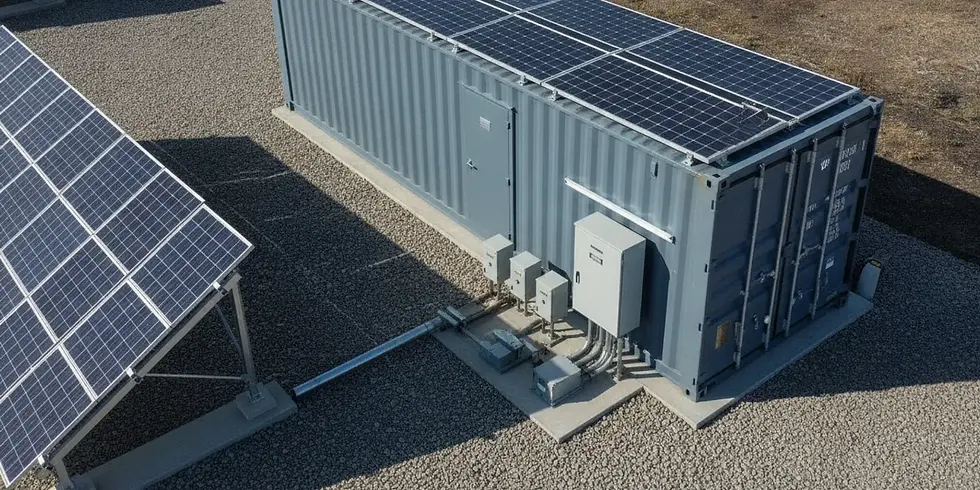
The enclosure affects equipment layout, access, weather protection, and delivery. A 20-foot container may suit a compact package, while a 40-foot unit may provide more room for equipment, walkways, or separated work areas. The right choice depends on the actual layout and transport plan, not just the equipment's footprint.
Compare the working dimensions, door openings, and clearances with the equipment drawings. New and used units can differ in condition and suitability for a specific conversion. For context on available sizes, review 20-foot container options and 40-foot container options. A container price alone does not represent a completed treatment enclosure.
Modification scope may include personnel or equipment doors, windows or openings, partitions, insulation, HVAC, electrical work, and plumbing. Each addition can affect labor, weight, ventilation, weather protection, and the location of other components. Mann's Cans offers custom container modifications, but treatment equipment selection, process engineering, and system performance need to be scoped with qualified treatment professionals.
Use an equipment arrangement drawing to test the choice before ordering an enclosure. Mark fixed equipment, access routes, control panels, service clearances, and openings. Consider the path for bringing large components into the unit and replacing them later. If equipment can only be installed before a wall or partition is closed, that sequence needs to be part of the conversion plan. A larger unit can create room to work, but it can also affect transport, placement, and modification scope, so compare complete layouts rather than container length alone.
Electrical and environmental requirements
Get the electrical load and connection requirements from the equipment designer before finalizing the enclosure. The project may need a specific supply, distribution panel, wiring, controls, lighting, or backup-power plan. The installation also needs a clear division of responsibility for equipment wiring and connections to site power.
Temperature, humidity, freezing conditions, heat generated by equipment, and ventilation can influence insulation and HVAC decisions. Avoid assuming that adding insulation alone resolves environmental concerns. Ask the equipment and enclosure teams to coordinate operating limits, ventilation, service access, and protection of sensitive components.
Request a load schedule and distinguish between work inside the container and the connection from the site supply. Clarify who sizes and installs any panel, disconnects, wiring, controls integration, grounding, lighting, and backup power. For environmental planning, provide the anticipated installation conditions and ask which equipment limits matter. A unit that will be moved between locations may face different temperatures and utility arrangements over time, so ask whether the proposed enclosure and operating plan account for those changes. Do not treat a generic insulation or HVAC allowance as a substitute for a design that addresses equipment requirements.
Transport, placement, and site utilities
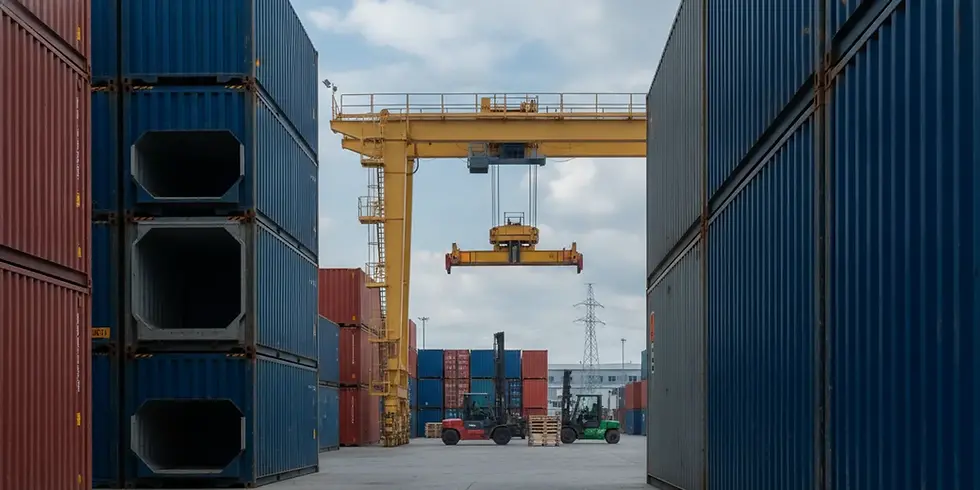
Transport costs depend on the unit's dimensions, weight, route, distance, timing, and placement needs. The planned delivery location must also accommodate the truck and unloading method. Site preparation and access are project-specific; share photographs, measurements, and any known restrictions with the delivery provider early.
Beyond delivery, the site may need a prepared bearing surface, electrical service, water and drain connections, piping, or other utility work. Those items are frequently outside the container or treatment-package quote. Confirm who will provide connections and whether the system needs any permits, inspections, or local approvals. Requirements vary by project and jurisdiction, so check with the relevant local authorities and qualified design professionals.
If placement is difficult, review shipping container moving and delivery considerations before the delivery plan is set. For projects where lifting access is a concern, discuss it with the delivery provider rather than assuming a particular truck can reach the final position.
Keep the transport and site-readiness questions together. Record the proposed loaded dimensions and weight, the delivery route, turning or overhead constraints, unloading method, and final position. Separately list which utilities are present, their capacity, and the point where each connection will be made. This avoids a common scope gap: the container reaches the site, but the project has not assigned the work needed to make water, power, drainage, or communications available. For guidance focused on delivery access and site preparation, use the linked moving guide rather than treating this cost overview as a placement manual.
How can you organize a mobile water treatment plant cost estimate?
Ask providers to organize the estimate by scope, not just present one total. The table below is a planning checklist; it does not assign prices because real amounts depend on process requirements, specifications, and site conditions.
Budget area | What it may cover | What to confirm |
Treatment package | Process equipment, controls, instruments, and any vendor-supplied internal piping | Design basis, capacity, source-water assumptions, performance criteria, exclusions |
Tanks and pumps | Feed, process, or treated-water storage; transfer and process pumps | Quantity, size, materials, pump duty, connections, and which tanks are included |
Container enclosure | Container purchase or rental, openings, partitions, insulation, doors, or HVAC | Dimensions, condition, usable clearances, modification drawings, access for maintenance |
Electrical and controls | Panels, wiring, lighting, control integration, or backup-power provisions | Load schedule, supply requirements, installation boundary, testing responsibility |
Delivery and placement | Transportation, unloading, positioning, or special lifting arrangements | Route, access, unit weight, delivery assumptions, and site readiness |
Site work and commissioning | Foundations or pads, utilities, external piping, inspections, startup, and training | Responsible contractor, local approvals, schedule, startup scope, and ongoing service |
Separate one-time capital items from recurring operating expenses. Depending on the treatment approach, ongoing costs may include energy, replacement media or consumables, routine service, water-quality monitoring, residual handling, and operator time. The U.S. EPA's cost-estimating guide for point-of-use and point-of-entry systems, for example, lists operation and maintenance categories such as device maintenance, water-quality monitoring, residual disposal, public education, and insurance. That guide addresses small-system treatment units, not a turnkey mobile plant quote, but it illustrates why a purchase budget should also ask about ongoing obligations: EPA cost-estimating guide.
One practical way to use the table is to give each line a status: included, excluded, allowance, or not yet determined. Then add a named owner for every excluded or uncertain item. For example, if the treatment supplier provides a controls panel but excludes the connection to site power, the estimate should show both facts and name the party expected to complete the connection. If delivery includes placement but not site preparation, record that boundary separately. A list like this makes gaps visible before they become schedule or budget surprises.
Request a second view of the budget that separates confirmed amounts from provisional allowances. For each allowance, ask which missing input would turn it into a firmer scope: final dimensions, water analysis, route review, utility details, or a decision about redundancy. The amount itself is useful only when its assumptions are visible. Avoid adding invented contingency percentages to compare providers; ask the project team to identify project-specific uncertainties and decide how they will be managed.
What information should you prepare before requesting estimates?
A complete brief helps vendors identify assumptions and avoid pricing different scopes. Gather what is known, and mark unknowns rather than filling gaps with guesses.
- Project purpose:
Explain the intended application and whether the unit is temporary, seasonal, or intended for ongoing operation.
- Water source:
Identify the source and provide available test data. Ask a qualified professional what additional sampling is required.
- Output requirements:
State target flow, operating hours, expected demand variation, and the required treated-water criteria.
- Operating conditions:
Describe the site climate, indoor or outdoor location, access for operators, and maintenance expectations.
- Site services:
List known power, water, drainage, communications, and placement constraints. Identify what has not yet been confirmed.
- Schedule and mobility:
Share the desired in-service date, expected duration at each location, and frequency of relocation.
- Scope ownership:
Name the expected providers for process design, container modifications, delivery, site work, and commissioning if known.
For container planning, include the equipment's shipping dimensions, weights, access clearances, lifting points, and service envelope. A weight reference such as the shipping container weight guide may help frame enclosure questions, but the actual container and installed load must be confirmed for the specific design. Do not treat a general guide as structural approval.
Before sending the brief, check that the same version goes to every bidder. Include drawings or photos when available, label preliminary information clearly, and note the date of water testing and site measurements. A simple assumptions register can track the question, current assumption, person responsible for confirming it, and the date a decision is needed. This keeps an early estimate useful without presenting unknowns as settled facts.
It can also help to ask bidders for a short list of decisions that must be made before they can finalize the proposal. One provider may need a confirmed load schedule; another may need an equipment footprint or a treatment design basis. Sort these into process questions, enclosure questions, and site questions. This gives the owner a clear next step and prevents a container selection from getting ahead of the process layout.
How should you compare proposals?
Compare proposals on the same design basis. Check that they use the same capacity, water-quality assumptions, operating schedule, enclosure size, utilities, and delivery location. If one provider has priced a complete package and another only equipment, the lower total may simply omit work.
Request a written inclusion and exclusion list. Ask whether engineering, drawings, controls integration, installation, startup, operator training, commissioning, and warranty support are included. Confirm which measurements and conditions the price assumes, how changes are handled, and whether any allowances remain unresolved.
Look beyond the initial purchase amount. Ask about power use, routine service intervals, consumables, replacement parts, water testing, and handling of any residuals or waste streams. Clarify who will maintain the system and whether spare parts or technical support are available for the intended location. These questions help expose operating costs that a container or equipment quote may not include.
A useful comparison is a side-by-side scope review, not a ranking by headline price. For each proposal, record the design basis, supplied equipment, enclosure work, site boundary, startup support, expected recurring items, and unresolved assumptions. Then mark items as equivalent, different, or missing. If one estimate excludes a tank and another includes it, either ask for a revised comparable price or note the difference clearly. If one vendor uses different water-quality assumptions, ask the treatment professional to reconcile them before drawing a cost conclusion.
For container work, review the expected modification scope and confirm how the enclosure provider will coordinate with the treatment-system designer. Mann's Cans describes its broader custom-container work in its modified container guide. A container conversion is one part of a complete plant, not a substitute for process design or regulatory review.
What can make an early budget change?
Early estimates are especially likely to change when water testing is incomplete, the output specification is unsettled, or providers are working from different assumptions. Late changes to capacity, tank sizing, electrical loads, or the location of equipment can also force layout revisions. Those revisions may affect the enclosure, shipping weight, ventilation, and schedule together.
Site conditions are another common source of uncertainty. The final route may differ from initial assumptions; utilities may need upgrades; and local approvals may require additional design or documentation. Have the project team identify contingency items separately from confirmed scope. Ask which decisions are needed next to reduce uncertainty, rather than treating a preliminary number as a fixed, all-inclusive cost.
Consider a simple sequence: first establish the treatment requirements and available water data; next confirm equipment dimensions, loads, and access; then review enclosure changes and transport assumptions; finally confirm utility connections, local review, and startup responsibilities. A change in an early decision can affect later steps, so keep versions of the layout and estimate aligned. If the process designer revises the equipment arrangement, share the updated drawing with the enclosure and delivery teams rather than relying on an older footprint.
For a container-specific discussion, share the intended use, approximate equipment dimensions, and location with Mann's Cans. For treatment process selection, capacity, and water-quality requirements, work with qualified treatment-system professionals. If the project is in Pennsylvania, confirm applicable local requirements with the relevant authorities and professionals for the site.
Frequently asked questions
Can I use the container price as the mobile plant budget?
No. The container is only one possible line item. Treatment equipment, tanks, pumps, controls, electrical work, modifications, transport, site utilities, engineering, and startup may be separate. Ask for a complete scope and identify who is responsible for each part.
Does a larger container always cost less overall?
No. A larger enclosure may provide useful room for access or future service, but the total depends on the container, modifications, shipping, layout, and site requirements. Compare the actual equipment arrangement and transport plan rather than choosing by length alone.
Can Mann's Cans design the water-treatment process?
Mann's Cans provides shipping-container sales, rentals, and custom modification services. Treatment-process selection, water-quality performance, and system engineering should be defined with qualified water-treatment professionals. Confirm the exact division of work before requesting a complete project estimate.
What should a quote state about ongoing expenses?
Ask for expected energy use, service intervals, consumables, water testing, residual handling, operator needs, and replacement parts where applicable. The responsible treatment professional should explain which assumptions apply to the selected technology and operating conditions.
What is the next step for a containerized treatment project?
Start with the treatment requirements and a clear division between the process package, enclosure, delivery, and site work. With those scopes defined, you can compare estimates more fairly and determine whether a custom container is suitable for the project.

Comments