

Choosing among shipping container types starts with the job the unit must do. A standard dry container works for many storage needs, while high-cube, open-top, flat-rack, refrigerated, and modified units address different cargo, access, or operating requirements. This guide explains the distinctions, where each type may fit, and what to confirm before ordering in Pennsylvania.
What Are the Main Shipping Container Types?
A shipping container is a steel enclosure designed to hold and protect cargo during movement or storage. Freight containers come in different configurations because loads vary in size, shape, handling needs, and sensitivity to the environment. The U.S. government’s overview of general freight containers likewise describes their role in protecting cargo from rain, dust, other elements, and theft. Read the overview of general freight container types.
For buyers, the useful distinction is not simply a list of names. It is the way a container’s design changes loading, protection, power needs, usable space, or later modifications. A type built for oversized machinery is not automatically the best choice for household storage. Match the configuration to your intended use, then check the specific unit, condition, delivery plan, and local requirements.
Which Shipping Container Types Fit Common Uses?
Type | What distinguishes it | Common fit | What to confirm |
Standard dry | Enclosed steel walls and roof with end doors | General cargo and equipment storage | Size, condition, door operation, weather-tightness, and access |
High-cube | Taller than a comparable standard-height unit | Loads or plans that benefit from added vertical clearance | Total exterior height, interior clearance, and site restrictions |
Open-top | Roof opens or is covered rather than being a fixed steel roof | Items that need to be loaded from above | Covering, lifting method, cargo securing, and exposure |
Flat-rack | Open sides and no conventional full enclosure; end structures support the load | Oversized or unusually shaped cargo | Load dimensions, securement, handling equipment, and transport plan |
Refrigerated | Insulated enclosure with a refrigeration system | Temperature-sensitive cargo when the unit is properly operated | Power, set point, equipment condition, monitoring, and service |
Modified | A container adapted with features such as doors, windows, insulation, or utilities | Offices, studios, workspaces, or specialized storage | Design, local approvals, utility plans, and suitability for the intended use |
The table is a starting point, not a specification sheet. Container dimensions, equipment condition, and available features vary by unit and supplier. If you are comparing a specific option, ask for the exact configuration rather than relying only on the type name.
Think about the difference between a container type and its condition
Type describes the design; condition describes the state of the particular unit. Two standard dry containers can share the same general configuration but differ in age, wear, repairs, door function, floor condition, or weather-tightness. The same principle applies to specialty equipment: a refrigerated unit’s category does not tell you whether its machinery is operating or what maintenance it needs.
That distinction matters when comparing an apparently simple storage option with a specialized one. Write down the features your project requires, then ask which are standard, which are included on the specific unit, and which require separate work or equipment. A high-cube unit may offer additional height, but it does not tell you the exact interior clearance. A modified unit may have a door or window, but the broad label does not specify dimensions, materials, or installation details. Ask for the description and measurements of the unit being offered.
Also distinguish the cargo container’s design from the complete transport or operating arrangement. Lifting gear, power, cargo restraint, site preparation, and approvals may be separate parts of a project. Clarifying those boundaries early makes it easier to compare like with like and reduces the risk of assuming that a type name includes every feature you need.
When Is a Standard Dry Container the Right Choice?
A standard dry container is an enclosed steel box with a roof, side walls, floor, and large doors at one end. It is the familiar general-purpose configuration used for many freight and storage applications. The closed enclosure can help shield contents from weather and unauthorized access, but it is not a substitute for inspecting a unit or protecting contents that are sensitive to moisture, temperature, or condensation.
Consider a standard unit when you need:
Enclosed space for equipment, supplies, or boxed inventory.
A straightforward storage unit with conventional end-door loading.
A container that can serve as a starting point for some custom projects.
Before deciding, think about how items will move in and out. The doors are at one end, so reaching goods stored at the far end may mean moving other items first. Shelving, partitions, or a planned loading order can help organize contents, but any additions should suit the cargo and must not interfere with door operation or safe use.
Mann’s Cans lists new and used 20-foot and 40-foot containers, including standard and high-cube options. See the available shipping containers in Pittsburgh and compare unit details before selecting one. A specific model’s availability and condition should be confirmed directly.
What Makes a High-Cube Container Different?
A high-cube container provides more vertical clearance than a comparable standard-height container. The extra height can be useful for taller items, stacked goods, some equipment, or a project where additional headroom matters. It does not add floor area, and the exact usable interior space depends on the unit’s specifications.
High-cube may be a good fit if standard height leaves too little room for a load or a planned interior layout. It may also be unnecessary if your goods are low, your site has height limits, or the increased exterior height complicates placement. Check exterior and interior measurements, including clearance for loading, rather than assuming all units of a named size match exactly.
Also consider the surroundings. Overhead wires, trees, building openings, and other site conditions may affect the route or final placement. These are local project checks, not reasons to assume that one container type is universally unsuitable. Confirm measurements and delivery requirements with the supplier before arranging a unit.
When Should You Consider an Open-Top Container?
An open-top container is configured to allow loading through the roof, often using removable roof components or a cover arrangement. It can be useful when cargo is too tall or awkward to load through end doors, or when a crane or other lifting equipment is part of the planned operation. That top access is the defining advantage; it also means the cover, cargo restraint, and exposure need careful attention.
Consider the full workflow before choosing one. Can the cargo be safely lifted from above? Is suitable equipment available at both loading and unloading points? How will the load be secured for transport? Will the selected covering protect the cargo as needed? A unit’s open-top design does not itself ensure that cargo is protected during handling or travel.
Open-top units are a specialized choice, not a default upgrade to a standard dry box. For configuration-specific considerations, see the dedicated open-top shipping container guide. This article covers the broad comparison; the linked guide addresses that type in greater depth.
What Is a Flat-Rack Container Used For?
A flat-rack container has an open platform and end structures rather than the usual fully enclosed walls. Some designs have end structures that fold, depending on the unit. Its purpose is to accommodate cargo that does not fit within the ordinary enclosed shape, such as certain bulky or unusually shaped loads. Suitability depends on the cargo’s dimensions, weight, handling requirements, and securement plan.
Because a flat-rack does not provide the same enclosure as a dry container, cargo exposure and restraint are central considerations. Plan how the load will be supported and secured, what lifting equipment is needed, and how the cargo will be handled through each stage. Those decisions should be made with the shipping or handling professionals responsible for the move.
Flat-rack containers are not interchangeable with standard storage boxes. If the goal is ordinary on-site storage, an enclosed option may be more practical. For a focused discussion of configurations and buyer questions, read the flat-rack container guide.
How Does a Refrigerated Container Work?
A refrigerated container, often called a reefer, combines an insulated enclosure with refrigeration equipment. It is intended for cargo that must be kept within a managed temperature range. Its usefulness depends on the complete operating setup: the equipment must work, the unit needs an appropriate power supply, and the operator needs a plan for setting and monitoring conditions.
Before choosing a reefer, define the temperature requirements for the particular goods with the people responsible for those goods. Then confirm that the unit can meet them, that the electrical supply is appropriate, and that maintenance or service is available. Consider what happens if power or equipment is interrupted. A refrigerated container is not simply a regular storage container with a cold setting, and its presence alone does not guarantee safe temperatures.
For many general storage needs, refrigeration adds complexity and operating requirements without a benefit. If temperature control is essential, make the equipment condition, power plan, monitoring, and operating responsibility part of the buying or rental decision.
Is a Modified Container a Separate Container Type?
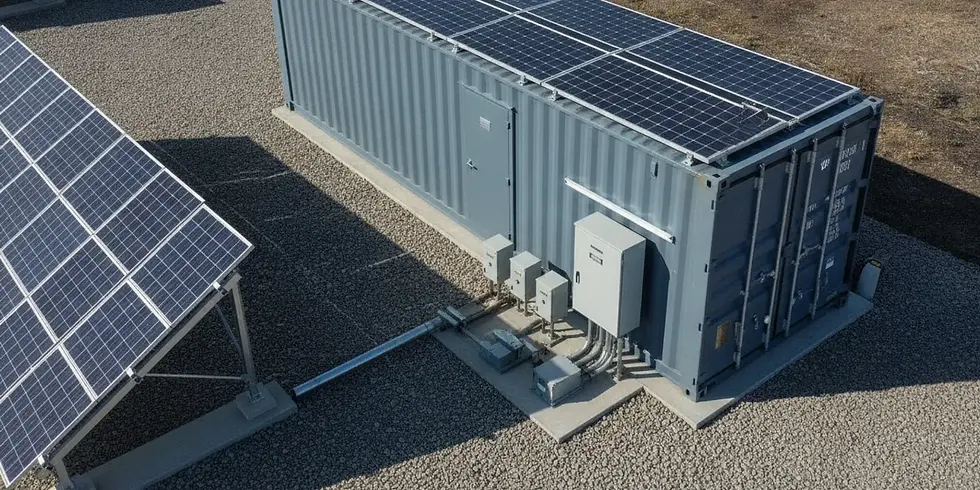
“Modified” describes a container that has been adapted for a particular use, rather than one single standardized configuration. Possible changes include adding personnel doors or windows, insulation, climate control, electrical systems, or interior features. A modification may turn an enclosed container into a workspace, office, studio, or purpose-built facility.
The right design depends on the use. A workspace may need different access and comfort features than a unit used to protect tools. A project with plumbing or electrical needs requires early planning for utilities and qualified installation. Changes can also affect the enclosure and how the unit functions, so define requirements with the supplier and appropriate project professionals before work begins.
Mann’s Cans offers container modifications and custom solutions. The scope and suitability of any project depend on its specifications; ask what can be designed for your intended use. If you are comparing an adapted workspace with a standard container, the portable control room information illustrates one specialized application, while the container floor plan examples can help you think through layouts.
How Do You Choose Among Shipping Container Types?
Use a short decision process before requesting a quote or arranging delivery. The aim is to specify the problem clearly, not to select the most specialized box available.
- Describe the contents or activity.
List the largest items, any sensitivity to heat or moisture, and whether people will work inside the unit.
- Measure the load and required clearance.
Include how goods will be lifted, moved, stacked, or accessed. Compare those needs with the actual unit specifications.
- Decide how loading will happen.
End-door loading works for many standard dry units. Top access may favor an open-top design, while an unusually shaped load may call for evaluating a flat rack.
- Identify environmental requirements.
If the contents need controlled temperatures, specify the operating range and power plan. If ordinary weather protection is enough, a reefer may be unnecessary.
- Separate storage from occupancy.
A container used for equipment storage has different design and approval questions from one planned as an office or other occupied space.
- Check the site and local rules.
Ask the relevant municipal or county offices about zoning, permits, setbacks, and any other applicable requirements for your intended placement and use.
- Compare the actual units.
Ask about dimensions, condition, doors, floors, included equipment, and what is or is not part of the quoted offer.
This process often narrows the choice quickly. For instance, a business storing boxed supplies may begin with an enclosed standard unit. A tall machine might prompt a high-cube comparison. A fragile temperature-sensitive product raises a different discussion about refrigeration and operations. These are starting points; the load and site details determine the final fit.
How do common project examples narrow the choice?
Picture a contractor keeping boxed supplies and hand tools on a worksite. If items fit through end doors and do not require temperature control, an enclosed dry container may be the most direct option to evaluate. The important follow-up is organizing access and confirming that the specific unit, delivery plan, and property suit the job.
Now consider equipment that is too tall to fit or operate comfortably inside a standard-height unit. Compare the actual usable clearance in a high-cube container with the equipment’s dimensions, including any space needed to move or service it. If the equipment is too wide or irregular for a closed box, the question may become whether special loading and securement arrangements make an open-top or flat-rack unit suitable. Those specialized types involve handling decisions beyond choosing an enclosure.
For a small business planning a workspace, a modified unit may be more relevant than a bare storage box. Start with how many people will use it, the access and layout needed, and whether lighting, insulation, climate control, electrical service, or plumbing is part of the plan. Discuss building and utility requirements with qualified professionals and local authorities. A container’s steel shell alone does not establish that a planned occupied use meets applicable requirements.
For goods that must stay within defined temperature conditions, first verify the requirements with the responsible product or operations experts. Then evaluate refrigerated equipment and its power, monitoring, maintenance, and backup procedures. If no controlled temperature is needed, this added system may be unnecessary. These examples show why the best type follows from the task, rather than from a general ranking of container designs.
What Should Pennsylvania Buyers Confirm?
In Pennsylvania, project rules depend on the property, municipality, intended use, and how permanent or service-connected the installation will be. A container used as temporary storage may raise different questions from a modified unit used as a workspace or living area. Do not assume that a container’s portability exempts a project from local rules.
- Ask the local authority having jurisdiction.
Confirm zoning, permits, placement, and use requirements for the specific address.
- Explain the intended use accurately.
Describe whether the unit is for storage, business activity, occupancy, or another purpose, and disclose planned modifications and utilities.
- Check property-specific constraints.
Review access, surface preparation, drainage, and overhead clearance with the people responsible for the property and delivery plan.
- Get requirements before ordering.
If approval or design conditions apply, clarify them before selecting a unit or commissioning alterations.
These points are prompts for local verification, not legal or engineering advice. Rules can vary, and an example from another Pennsylvania property may not apply to yours. For the separate question of moving and placing a unit, consult the relevant shipping container delivery and moving tips rather than treating container type alone as a delivery plan.
What Should You Ask Before Buying or Renting?
Once you know which configuration seems appropriate, use practical questions to compare options:
What are the exact external and internal dimensions of this unit?
What is its condition, and what should I inspect on the doors, floor, roof, and walls?
Does it include special equipment, a cover, or other features shown in the description?
For a modified unit, what work is included, and what is outside the scope?
For refrigeration, what equipment condition, power requirements, operating range, and monitoring plan apply?
What delivery and placement assumptions should I confirm for my property?
What local approvals or professional reviews should be completed before use?
Is buying, renting, or another available payment arrangement the best match for how long I expect to need it?
Keep the answers tied to a particular unit and your project. “High-cube,” “refrigerated,” or “modified” identifies a broad design category, not a guarantee about condition, contents, equipment, approvals, or performance.
Frequently Asked Questions
Which shipping container type is best for general storage?
A standard dry container is a common starting point for general storage because it provides an enclosed space with end doors. The best fit still depends on the items, access needs, unit condition, and property.
Is a high-cube container wider than a standard container?
High-cube refers to additional height compared with a comparable standard-height unit, not extra width. Check the specific unit’s dimensions for usable clearance.
Are open-top and flat-rack containers the same?
No. An open-top unit provides roof access for loading from above while retaining an enclosed-style body. A flat rack has an open platform and lacks the usual full enclosure, which can suit some oversized or irregular cargo.
Does a refrigerated container work without power?
Its refrigeration equipment needs an appropriate power source to control temperature. Confirm the unit’s equipment, power requirements, monitoring, and operating plan before relying on it for temperature-sensitive goods.
Does Mann’s Cans offer every container type in this guide?
Mann’s Cans lists 20-foot and 40-foot new and used containers, including standard and high-cube options, and offers modifications. Availability of specialized configurations such as open-top, flat-rack, or refrigerated units should be confirmed directly rather than assumed.
Plan Your Container Choice
Start with what you need to store or do, then compare enclosure, height, loading method, equipment, and site requirements before settling on a container type. Contact Mann’s Cans with your intended use and key measurements to discuss which available option may fit your project.


Comments