

Container homes are known for being strong, durable, and incredibly versatile. Built from heavy-duty steel shipping containers that travel across oceans, they’re designed to handle tough environments. But many homeowners wonder, are container homes safe in all climates?
The short answer is yes. With proper design, insulation, and weatherproofing, container homes can perform exceptionally well in nearly any region. Whether you’re dealing with heat, cold, wind, or rain, a well-built container home can stand strong for decades. Here’s how.

Built from Tough, Weather-Resistant Materials
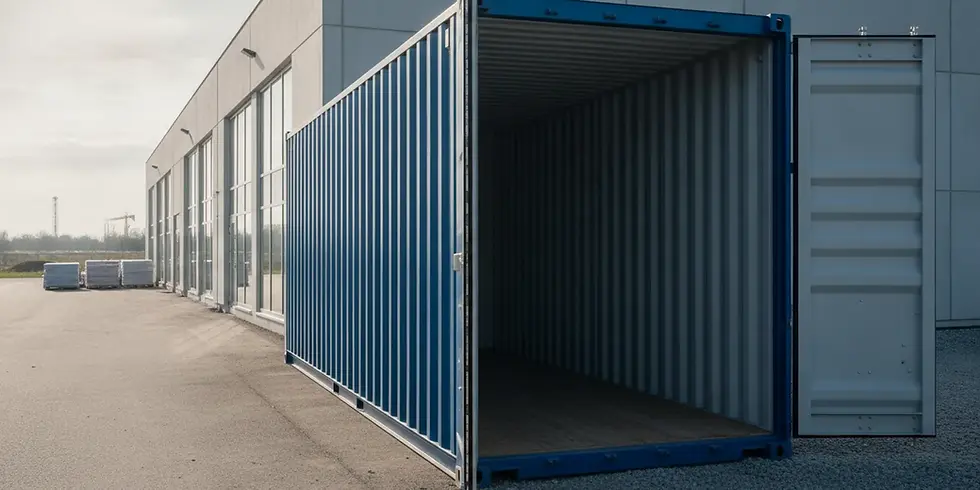
Shipping containers are made from COR-TEN weathering steel, a material specifically engineered to endure harsh marine conditions. This steel naturally resists corrosion, rust, and impact, making it ideal for homes in climates that experience heavy rain, humidity, or wind.
A single container can support over 60,000 pounds and withstand extreme weather events, including storms and strong winds. When modified correctly, they can be even stronger than many traditional home structures.
Mann’s Cans uses one-trip containers, meaning they’ve only been used once for shipping, ensuring each build starts with a solid, clean, and rust-free base.
How Container Homes Perform in Different Climates
Container homes can thrive in various weather conditions when properly insulated and maintained. Here’s how they hold up in different climates:
1. Hot and Humid Climates
In warm, humid regions, the main concern is heat buildup and condensation inside the steel walls. The solution is high-quality insulation and proper ventilation.
Use closed-cell spray foam insulation to control temperature and prevent moisture.
Install roof overhangs or reflective coatings to reduce solar heat absorption.
Add windows, vents, and fans to maintain airflow.
These upgrades keep interiors cool and dry even during hot, sticky summers.
2. Cold and Snowy Climates
Container homes perform very well in cold climates when properly insulated. Steel conducts heat easily, so thick insulation is key to preventing heat loss.
Insulate walls, floors, and ceilings with rigid foam or spray foam.
Use double-glazed windows to trap warmth.
Add heating systems such as electric baseboards or mini-split HVAC units.
With the right setup, a container home can stay warm and energy-efficient even during Pennsylvania’s cold winters.
3. Windy and Coastal Areas
Coastal regions face challenges like strong winds, salt air, and humidity. Fortunately, containers were designed to handle exactly these conditions.
Use corrosion-resistant paint or marine-grade coatings to protect against salt damage.
Anchor the container securely with steel tie-downs or concrete footings.
Add storm shutters or reinforced windows for extra protection.
These measures make container homes a safe, long-term option even near the ocean.
4. Dry or Desert Regions
Desert environments bring extreme temperature shifts, hot days, and cool nights. Steel containers can handle both, but insulation and ventilation remain essential.
Use roof insulation and reflective coatings to block heat.
Add ventilation fans and shaded patios to regulate temperature.
Install energy-efficient cooling systems like mini-splits or evaporative coolers.
With proper planning, a container home stays cool during the day and comfortable at night.
Protection Against Natural Elements
Container homes are incredibly resistant to natural hazards such as fire, mold, and pests. The steel shell is non-combustible, and when properly sealed, it keeps out rodents and insects.
Waterproof coatings, sealed doors, and proper drainage prevent leaks and flooding. Adding roof insulation and moisture barriers keeps condensation from forming inside, a key factor for long-term comfort and safety.
Maintenance Matters
While container homes are strong, regular maintenance helps them stay that way. This includes:
Inspecting paint and sealants annually to prevent rust.
Checking insulation and ventilation systems.
Cleaning gutters and maintaining roof coatings.
With basic upkeep, a container home can remain safe and stable in nearly any environment.
The Bottom Line
Yes, container homes are safe in all climates, from coastal to cold, humid to dry, when built and insulated correctly. Their steel construction, weather-resistant coatings, and customizable design make them one of the most durable and adaptable housing options available today.
Mann’s Cans designs and builds custom one-trip container homes that perform reliably in any climate. Our team ensures every unit is reinforced, insulated, and weatherproofed for long-term comfort and safety.
Let’s Build a Home for Every Climate
Ready to design a container home that fits your climate and lifestyle? Call 724-790-5040 today or fill out our online form to request a custom quote. Let’s create a home that’s durable, comfortable, and ready for any weather.


Comments