

Let’s clear the air about one of the biggest myths in alternative housing: that container homes are always the cheapest option. While they can be incredibly affordable, the final cost depends entirely on your choices. A simple, DIY project will have a very different price tag than a multi-container build with high-end finishes. The key is to have a realistic view from the start. We’re here to give you an honest look at container home prices, from the initial purchase of a used container to the hidden costs of utility hookups, so you can make informed decisions for your project.
Key Takeaways
- Budget for the Whole Project, Not Just the Container
: Your total cost includes more than the steel box, so create a realistic financial plan that accounts for land prep, foundation work, utility hookups, and local permits to avoid surprises.
- Control Your Costs with Smart Choices
: The final price is in your hands, and key decisions like choosing a new versus used container, simplifying your design, and deciding how much work to DIY will have the biggest impact on your budget.
- Explore Flexible Financing and Investment Options
: Look into personal loans or rent-to-own programs to get started, and remember that a container home is a durable asset with great resale value and rental income potential.
What Are Container Homes and Why Is Everyone Talking About Them?
If you’ve spent any time scrolling through home design inspiration, you’ve probably seen them: sleek, modern homes with a distinct industrial vibe. Container homes have captured the imagination of aspiring homeowners, designers, and builders everywhere. They represent a fresh approach to housing, blending creative design with practical, durable materials. But what exactly are they, and why has this trend gained so much momentum?
At its core, a container home is a residence built from one or more steel shipping containers. These aren't just any boxes; they're the same kind used to transport goods across oceans, engineered to withstand extreme weather and heavy loads. This inherent strength makes them an incredible building block for everything from a cozy backyard studio to a multi-level family home. The conversation around them is growing because they offer a compelling answer to the search for more sustainable, affordable, and unique living spaces.
The Basic Concept of a Container Home
Let's break it down. A container home starts its life as an industrial-grade storage container, typically made of corten steel. These structures are designed to be stacked, shipped, and exposed to the elements, which means they are incredibly resilient. When repurposed for housing, these steel boxes are transformed into fully functional living spaces. This process involves cutting openings for windows and doors, adding insulation, installing plumbing and electrical systems, and finishing the interior just like a traditional home. The result is a secure, durable, and modern structure that can be customized to fit any style.
The Growing Appeal of Alternative Housing
So, why the sudden surge in popularity? A big part of the appeal is the search for more affordable and sustainable housing. With traditional construction costs on the rise, many people are looking for creative ways to build a home without breaking the bank. Container homes often present a more cost-effective alternative. Beyond the budget, there's a strong environmental component. Upcycling a used shipping container gives it a new purpose and prevents it from being scrapped. This eco-friendly angle resonates with a growing number of homeowners who want to make a smaller environmental footprint. You can see some amazing transformations in our past work.
How Much Does It Cost to Build a Container Home?
Let's get straight to the point: you want to know the bottom line. The cost of building a container home can vary widely, just like with a traditional house. The final price tag depends on your vision, location, and how much work you plan to do yourself. Think of it less as a fixed price and more as a flexible budget you build based on your choices. From a simple, one-container studio to a sprawling multi-level family home, the possibilities are vast, and so is the price range. To give you a clearer picture, let's break down the numbers for different types of projects.
Typical Price Ranges
Generally, you can expect a container home to cost anywhere from $25,000 to $250,000. For a simple, small build, like a backyard office or a tiny home using one container, you might spend between $20,000 and $50,000. Of course, the container itself is your starting point. Depending on its size, age, and condition, a single unit can run from about $1,200 to $10,000. Exploring different types of storage containers early on will help you establish a realistic foundation for your budget before you start adding in costs for design, labor, and finishes.
Single vs. Multi-Container Projects
The scale of your project is the biggest factor in your total cost. A cozy, single-container home, which usually offers around 160 to 320 square feet of living space, typically lands in that $20,000 to $50,000 range. If you’re dreaming bigger, a home built from multiple containers will often start at $100,000 and go up from there. For example, a spacious four-container home could cost between $100,000 and $150,000, depending on your design and material choices. Using a 40 FT Brand New Container as a building block gives you a lot of room to work with for these larger projects.
Exploring Your Options with Mann's Cans
The growing interest in container homes isn't just about style; it's a practical response to the demand for affordable and sustainable housing. These homes are popular because they are often more budget-friendly, durable, and environmentally conscious than traditional builds. Whether you're looking to buy a container outright or explore a more flexible path, we're here to help you get started. Our rent-to-own program is a great option if you want to manage your upfront investment while bringing your vision to life. We can help you find the right container to fit your budget and your dream design.
What Factors Affect the Final Price?
When you start budgeting for a container home, it’s easy to focus on the price of the steel box itself. But the final cost is a puzzle with many pieces. Several key factors can dramatically change your total project expenses, from the type of container you choose to the land you build on. Understanding these variables from the start will help you create a much more accurate budget and avoid surprises down the road. Let's walk through the main elements that will shape your final price tag.
Container Size and Condition
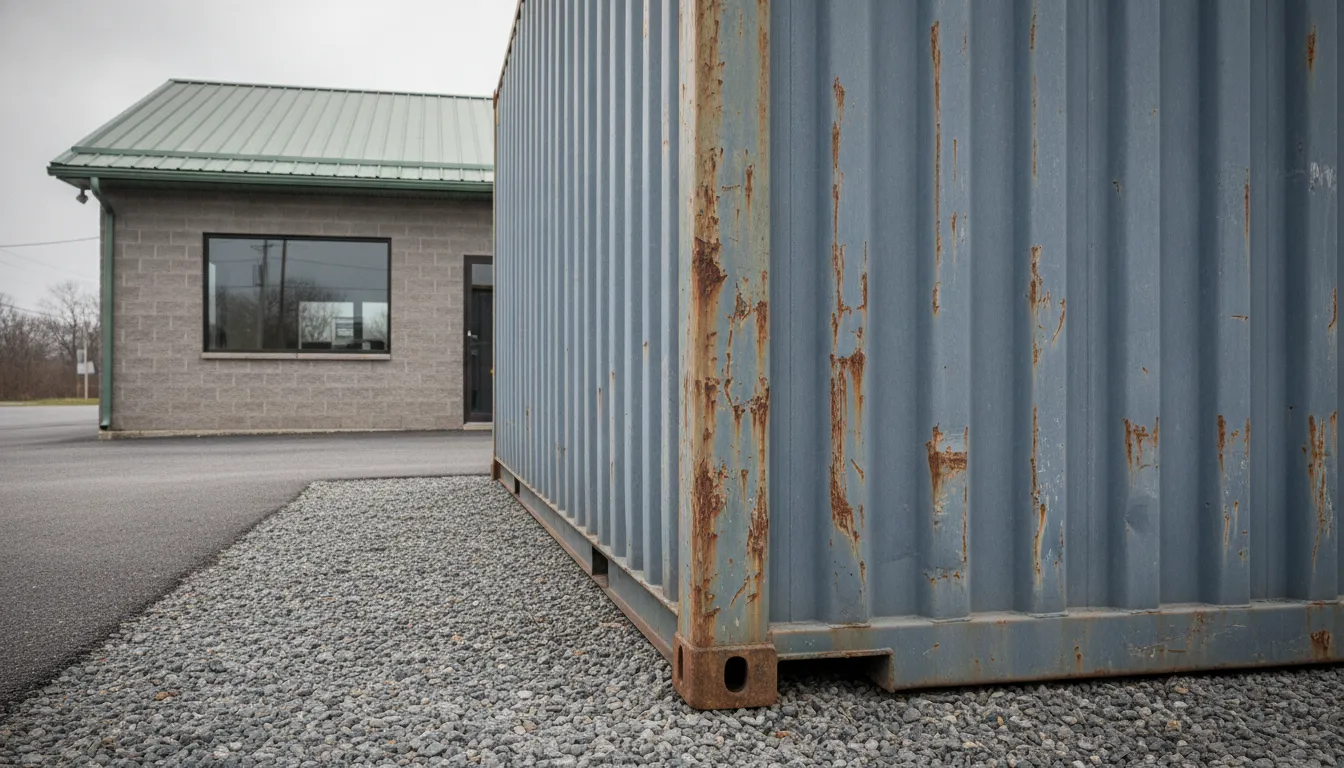
The first major decision you'll make is about the container itself. A smaller 20 FT Used Container will have a lower initial cost than a spacious 40 FT Brand New Container. Used containers are a great way to save money upfront, but they might require more work to repair dents or remove rust. New or "one-trip" containers are pristine and ready for modification, saving you time and labor on prep work. The container alone can range from a few thousand dollars to over $10,000, so this choice sets the foundation for your entire budget.
Your Location and Local Building Codes
Where you decide to build has a huge impact on your total cost. Every city and county has its own set of rules, zoning laws, and building permit fees. Some areas are very friendly to alternative housing like container homes, while others have stricter regulations that can add time and expense to your project. As many builders share online, the cost of labor and materials also varies significantly by region. Before you even buy a container, it’s a good idea to research your local building codes and talk to the planning department to understand the requirements in your area.
Design Complexity and Custom Finishes
This is where your personal style comes into play, and also where costs can add up quickly. A simple, single-container home with standard finishes will be far more affordable than a multi-container structure with floor-to-ceiling windows, high-end appliances, and custom cabinetry. Every cut you make into the steel for windows and doors adds to the labor cost. The finishes you choose for flooring, countertops, and fixtures will also heavily influence the final price. Looking at examples of past work can help you see how different design choices affect the overall look and complexity.
Foundation and Site Prep Needs
Your container home needs a solid base to sit on, and that starts with preparing your land. Site prep can involve clearing trees, grading the soil, and ensuring proper drainage, which can cost several thousand dollars. After that, you’ll need a foundation. A full concrete slab provides excellent stability but is generally the most expensive option, sometimes costing over $10,000. A more budget-friendly choice might be concrete piers or footings, which still provide a secure foundation at a lower price point. The right choice depends on your soil type, climate, and local building requirements.
What Are the Hidden Costs to Plan For?
The price of the container itself is just the starting point. To turn that steel box into a comfortable home, you need to account for several other expenses that can add up quickly. Thinking about these costs upfront helps you create a realistic budget and avoid surprises down the road. From the ground up, let's walk through the major expenses that aren't always obvious when you first start planning your project. These are the costs that truly transform a shipping container into a home, and planning for them is the key to a smooth and successful build.
Preparing the Site and Laying a Foundation
Before your container can be delivered, the land needs to be ready. This process, known as site preparation, involves clearing trees, digging, and leveling the ground, which can cost anywhere from $2,000 to $10,000, depending on the condition of your lot. After that, you’ll need a solid foundation to support the structure and prevent it from shifting over time. A concrete slab is a popular choice for its stability and typically runs between $5,000 and $15,000. For a more budget-friendly option that still provides excellent support, concrete piers or footings can work just as well, usually costing between $3,000 and $10,000.
Connecting Utilities
Your container home won't feel very homey without power and running water. Connecting to municipal services is a significant expense that requires coordination with local utility companies. Hooking up to the city water supply can cost between $2,000 and $5,000, while connecting to the sewer system can range from $5,000 to $10,000. If you're planning an off-grid setup, you'll have different costs to consider. For example, installing a solar panel system to power your home is a major investment that can add an additional $10,000 to $25,000 to your budget, but it offers long-term savings and independence from the grid.
Securing Permits and Passing Inspections
While it might seem like bureaucratic red tape, working with your local government is a crucial step. You'll need to secure building permits before you can begin construction, and this process usually costs between $500 and $3,000. These fees cover the administrative work and the necessary inspections to ensure your home is built to code and is safe to live in. As many builders share in online forums, skipping this step can lead to fines or even being forced to tear down your work. Don't treat this as optional; it protects your investment and ensures your home is legitimate.
Insulation and Interior Finishes
A steel box is a conductor, meaning it gets extremely hot in the summer and cold in the winter. That's why proper insulation is non-negotiable for comfort and energy efficiency. Spray foam insulation is a highly effective option often recommended by professionals because it creates an airtight seal. Once the walls are insulated, you can move on to the finishes. This is where your personal style comes in, but it also brings more costs. Drywall typically costs $1.50 to $3.50 per square foot, while flooring options can range from $2 to $15 per square foot, depending on whether you choose vinyl, wood, or tile. You can see how different finishes come together by looking at past work for inspiration.
How Do Container Homes Compare to Traditional Houses?
When you’re weighing your housing options, it’s natural to wonder how a modern container home stacks up against a traditional house. Beyond the unique look, the comparison often comes down to cost, long-term value, and overall market appeal. Let's break down how these two choices compare so you can see the full picture.
A Cost-Per-Square-Foot Breakdown
One of the biggest draws of a container home is the potential for significant savings. Generally, container homes are a more affordable alternative to traditionally built houses. Prefabricated container homes can range from $120 to $300 per square foot, while a fully custom design might sit between $250 and $400 per square foot. In contrast, the total cost of a traditional home can easily climb past $400,000. A finished container home, depending on its size and features, typically falls somewhere between $25,000 and $250,000. This price difference makes container living an accessible dream for many people who might feel priced out of the traditional housing market.
Long-Term Value and Investment Potential
A lower initial cost doesn't mean you're sacrificing long-term value. In fact, container homes are built from industrial-grade steel, making them incredibly durable and resilient. With proper maintenance, a container home can last for decades and hold its resale value well. This durability, combined with lower upfront construction expenses, also makes them an attractive option for investors. You can offer competitive rental prices while still seeing a healthy return on your investment, making it a smart financial move for both homeowners and landlords.
Current Market Trends
If you're considering a container home, you're in good company. The market for container houses is seeing significant growth as more people look for affordable, flexible, and sustainable living solutions. This isn't just a niche trend; it's a global movement driven by a real demand for smarter housing. Choosing to build a container home means you're investing in a type of property that is becoming increasingly popular and recognized. As the market continues to expand, the resources, designs, and community support for container homeowners will only get stronger.
What Are Some Common Myths About Container Home Costs?
Container homes have captured our imaginations, but they've also collected a few myths, especially when it comes to the price tag. It’s easy to get swept up in the idea of building a dream home for a fraction of the usual cost. While container homes can be an affordable alternative, it’s important to separate the hype from reality. Let's walk through some of the most common misconceptions so you can plan your project with a clear and realistic financial picture. Understanding these points will help you budget effectively and avoid surprises down the road.
Myth: It's Always the Cheapest Option
One of the biggest draws to container homes is the idea that they are incredibly cheap. While they are often more affordable than traditional homes, they aren't free. A standard house can easily cost over $400,000, whereas a finished container home typically falls between $25,000 and $250,000. That’s a huge range. The final price depends entirely on your choices. The initial cost of the storage containers is just the starting point. You still have to account for land, foundation, insulation, plumbing, electrical work, and interior finishes, all of which can add significant expenses to your budget.
Reality: The Cost of DIY vs. a Professional Build
Going the do-it-yourself route can definitely save you money on labor. A basic DIY conversion might only cost between $10,000 and $25,000 if you have the right skills and tools. However, this path isn't for everyone. It requires a serious commitment of time, effort, and expertise in areas like welding, carpentry, and electrical work. Hiring professionals costs more upfront but ensures the job is done correctly and to code, potentially saving you from expensive mistakes. A professional build provides peace of mind and a predictable timeline, which can be well worth the investment.
Setting Realistic Timelines and Budgets
Container homes can often be built much faster than traditional houses, sometimes in just three to six months. This accelerated timeline is a major advantage, but it requires careful planning to stay on track. Your total budget needs to account for everything from the container itself to the final coat of paint. Key factors that influence the final cost include the size and number of containers, labor rates in your area, permit fees, and site preparation. Creating a detailed budget from the start helps you make informed decisions and keeps your project moving smoothly. Exploring flexible options like a rent-to-own program can also make the initial investment more manageable.
What Should You Know About Financing Your Project?
Okay, let's talk money. Figuring out how to pay for your container home project can feel like the biggest hurdle, but it’s more straightforward than you might think. While the process differs from financing a conventional house, you have plenty of options. Getting a handle on the numbers is the first step toward making your dream a reality, especially when you think about your container home as a long-term investment. Let's break down what you need to know about financing, insuring, and even profiting from your new space.
Finding Loans and Payment Options
Securing funding for a container home is completely doable. Many people find success with personal loans, which are often faster and more flexible than traditional mortgages. Construction loans and home equity lines of credit (HELOCs) are also great avenues to explore for larger builds. It’s worth talking to lenders who have experience with non-traditional housing. We also believe in making ownership accessible, which is why we offer a straightforward rent-to-own program. This option lets you get your project started right away while you work toward full ownership, giving you flexibility as you build.
Insurance and Resale Value
Two big questions people have are about insurance and long-term value. Let’s clear those up. Insuring a container home is possible, though you may need to shop around for a provider who understands unique structures. As for resale, container homes hold their value well, much like traditional houses. Their biggest advantage is that they can be moved. This unique feature broadens your pool of potential buyers, since you aren't limited by a fixed location. A well-maintained home built from a durable, high-quality shipping container is a solid and flexible investment for the future.
Potential for Rental Income
Have you considered your container home as an income source? These structures are a fantastic way to enter the rental market without the massive upfront cost of a traditional property. Their unique, modern aesthetic makes them popular as short-term vacation rentals, backyard guest houses, or accessory dwelling units (ADUs). Because the initial investment is lower, you can see a return much sooner. Building a stylish and functional rental unit is a smart way to generate passive income. It’s an affordable housing solution that doubles as a savvy financial move for aspiring real estate investors.
How Can You Create a Realistic Budget?
Building a container home is an exciting project, but it’s easy to get carried away with design ideas before you’ve nailed down the numbers. Creating a realistic budget is the most important first step you can take. It’s the roadmap that will guide every decision, from the type of container you choose to the finishes you select for your kitchen. A well-planned budget prevents surprises and helps you stay on track without sacrificing your vision entirely.
The key is to be thorough and honest with yourself about what you can afford. Think of your budget as a tool for empowerment, not restriction. It helps you focus your resources on what matters most to you. By breaking the process down, you can get a clear picture of the total investment required. We’ll walk through how to separate your must-haves from your nice-to-haves, work with your container provider to understand your options, and plan for those inevitable unexpected costs. With a solid financial plan, you can move forward with confidence and turn your container home dream into a reality.
Prioritizing Needs vs. Wants
First things first, let’s get clear on your priorities. Grab a notebook and draw a line down the middle of a page. On one side, list your "needs"—the absolute essentials for your home to be safe, legal, and functional. This includes things like a solid foundation, proper insulation, plumbing, and electrical wiring. On the other side, list your "wants," like floor-to-ceiling windows, high-end appliances, or a custom rooftop deck.
As one expert points out, container home prices can vary a lot depending on the size, design, materials, location, and how much of the work you do yourself." This is why your list is so important. It forces you to decide where your money should go first, ensuring all the critical elements are covered before you splurge on aesthetic upgrades.
Partnering with Your Container Provider
You don’t have to figure everything out on your own. Your container provider can be a valuable partner in the budgeting process. When you discuss your project with us, we can help you understand the costs associated with different container sizes and conditions, from brand new 40-foot units to more budget-friendly used options.
We can also walk you through different payment structures, like our rent-to-own program, which can make the initial investment more manageable. When it comes to securing funds, many find that personal loans are one of the most accessible options for container home projects. Being open about your budget from the start allows us to suggest practical solutions that align with your financial goals, making the entire process smoother and more transparent.
Planning for Unexpected Expenses
No matter how carefully you plan, unexpected costs can and do pop up in any construction project. That’s why a contingency fund isn’t just a good idea; it’s essential. This is money set aside specifically for surprises, like needing extra site prep, discovering a utility connection is more complex than anticipated, or renting specialized equipment.
A helpful Reddit discussion among container homeowners revealed that major tasks like foundation work or utility hookups can each cost between $5,000 and $15,000. To be safe, a good rule of thumb is to add a 15% to 20% contingency to your total estimated budget. If you don’t end up needing it, great! You’ll have extra money for furniture. But if you do, you’ll be so glad it’s there.
Frequently Asked Questions
Is a container home actually cheaper than a regular house? Yes, they often are, but it’s important to look at the complete picture. While the total project cost for a container home is typically lower than for a traditional build, the container itself is only one piece of the budget. The real savings come from a potentially shorter construction timeline and the ability to scale your project to your exact needs. Think of it as a more accessible path to homeownership, not a shortcut that costs nothing.
Besides the container, what are the biggest expenses I should plan for? Two of the most significant costs you'll encounter are preparing the land and connecting utilities. Before your container arrives, you'll need to pay for site work, which includes clearing and leveling the ground, and then pouring a foundation. After that, you have the expense of hooking up to water, sewer, and electrical grids. These two steps can easily add thousands of dollars to your budget, so it's crucial to get quotes for them early in your planning process.
How long do container homes last, and are they a good investment? Shipping containers are built from corten steel to survive years of harsh ocean travel, so they are incredibly durable. With proper maintenance, a container home can easily last for decades, just like a traditional house. They hold their value well, and their unique ability to be moved can actually make them more appealing to a wider range of buyers if you ever decide to sell. They are a solid investment in a durable, long-lasting structure.
Are container homes difficult to finance and insure? It's a different process, but definitely not impossible. Since container homes are still considered non-traditional, you might find more success with personal loans or construction loans rather than a standard mortgage. For insurance, you may need to connect with a provider who has experience with unique homes, but policies are absolutely available. The key is to do your research and talk to lenders and insurers who understand and support alternative housing projects.
What's the very first step I should take if I'm serious about this? Before you even start looking at containers, your first step should be research. Start by investigating your local zoning laws and building codes to make sure a container home is permitted in your area. At the same time, begin drafting a preliminary budget. Figure out what you can realistically afford and make a list of your absolute must-haves versus the nice-to-have features. This foundational work will save you time and headaches later on.


Comments