
- Lizzy Connors
- 11 minutes ago
- 10 min read

Backyard storage decisions involve more than available square footage. You also need to plan access, foundation work, moisture control, security, delivery, and the way the unit will look beside your home. A shipping container shed starts with a durable steel shell, but the best result comes from matching that shell to your property and storage habits.
A shipping container shed can provide enclosed, secure storage with a ready-made steel shell, while a conventional shed usually offers more architectural flexibility. The right option depends on what you will store, how often you need access, how much customization you want, and whether the site can support delivery and placement.
What Is a Shipping Container Shed?
A shipping container shed is a storage or work area created from a steel intermodal shipping container and placed on a residential property. Instead of building the enclosure from separate walls, a roof, siding, and floor components, the homeowner starts with a weather-resistant container shell. The interior can then be organized for garden equipment, bicycles, tools, seasonal items, renovation materials, or a compact workshop.
The original container design matters. A shipping container is built for demanding transport conditions, so its steel frame, corner castings, cargo doors, and wood floor influence both its strengths and its limitations. The shell gives you a strong starting point, but it does not automatically create a finished backyard room. Door placement, lighting, ventilation, insulation, flooring, and local placement requirements still need to be considered.
Weathering steel is often called corten steel. The National Park Service explains that this type of steel develops a protective weathering layer under suitable conditions. Read the National Park Service overview of corten steel. This does not mean a container is maintenance-free. The roof, seams, doors, seals, underside, and any modified openings should still be inspected.
How is it different from a framed shed?
A conventional shed is assembled as a small building, commonly with wood framing and separate choices for siding, roofing, doors, windows, and interior finishes. A shipping container shed begins with the main enclosure already in place. That can simplify the basic storage concept, but the container's fixed dimensions and steel construction shape what can be changed.
The practical difference is a tradeoff between a ready-made shell and design flexibility. A traditional shed may be easier to match to the house or customize with a roof pitch, trim, and windows. A container may be a better fit when the priority is a robust enclosed space that can be placed quickly after the site is prepared. Neither choice is automatically right for every lot.
What can you use one for?
A basic unit can hold lawn equipment, bicycles, outdoor furniture, tools, and seasonal belongings. With appropriate modifications, it can also support a workshop or equipment-storage use. The University of Vermont agricultural extension has documented farm uses for shipping containers, including storage and work areas. Review examples of shipping container storage uses.
Use planning should come before ordering modifications. List the largest items, identify what needs frequent access, and decide whether you need a clear central aisle. In Pittsburgh-area neighborhoods, also consider views from the house and nearby properties. Landscaping, paint, cladding, or a carefully chosen orientation may help a practical storage unit fit the property.
How Does a Container Shed Compare With a Conventional Shed?
Both options can protect lawn equipment, tools, seasonal items, and household overflow. The better fit depends on the site, intended use, appearance, and the amount of work you want to complete before storage begins. A container arrives as a steel structure. A conventional shed is usually built or assembled around wood framing and a separate roof system.
What drives the delivered cost?
A container may look like the lower-cost starting point, but the usable delivered cost depends on more than the unit. Condition, delivery distance, foundation work, access, drainage, and modifications all affect the project. A personnel door, window, vent, insulation, electrical work, or interior finish adds scope.
Mann's Cans offers new and used 20ft and 40ft containers, with purchase ranges that vary by size, condition, and current inventory. Treat any range as planning information rather than a guaranteed quote. A conventional shed also varies based on dimensions, materials, labor, roof style, and foundation. Compare containers with traditional storage buildings before deciding which tradeoffs matter most for your property.
Which option is easier to live with?
A container can be compelling when the priority is an enclosed steel shell, practical security, and a storage layout that does not require a full building design. A conventional shed can be preferable when appearance, windows, room shape, or architectural integration matters most. Both options need maintenance, and neither automatically solves condensation, poor drainage, or difficult access.
Which Size Fits a Backyard, 20ft or 40ft?
For most homeowners, the right size depends on both storage demand and the delivery path. A 20ft container takes less room and is often easier to place. A 40ft container provides more space for bulky equipment, seasonal items, workbenches, or separated storage zones. More capacity is useful only if you can reach the items inside and the property can accommodate the delivery.
Start with the footprint and delivery route
A 20ft container is roughly 20 feet long, while a 40ft unit is roughly twice that length. Measure the proposed pad, then measure the complete route from the road to the final location. Check gates, fences, retaining walls, trees, utility lines, turns, slopes, bridges, and the truck's setup area. A site that fits a 40ft box on paper may not provide enough straight clearance for the truck to unload and position it safely.
Leave working room around the container. You need to open the cargo doors fully, walk along the sides for inspection, and move materials in and out. Door orientation matters. Pointing the doors toward a driveway or clear path is usually more practical than facing a fence or narrow corner.
Match the interior to your storage plan
A 20ft container can work well for lawn equipment, bicycles, tools, furniture, renovation materials, and seasonal storage. Its shorter footprint may leave more room for a patio, garden, or parking. Shelving along the long walls can preserve a central aisle, but large equipment may quickly reduce the usable floor area.
A 40ft container makes more sense when you expect your needs to grow or need separate zones for household storage and a workbench. Plan shelving and lighting before delivery. Otherwise, extra capacity can become a wall of stacked boxes that is difficult to inspect or use. A smaller, organized unit can be more functional than a larger unit with no access plan.
Review 20ft container options and review 40ft container options before you choose. Share your measurements and intended use with Mann's Cans so the unit and delivery plan can be evaluated together.
How Should You Prepare the Site and Control Moisture?
A shipping container shed depends on the ground beneath it and the air moving around it. Thoughtful preparation helps protect the container, keeps doors operating properly, and reduces avoidable moisture problems. The right setup varies with your lot, soil, slope, intended use, and local requirements, so treat this as a planning guide rather than universal engineering advice.
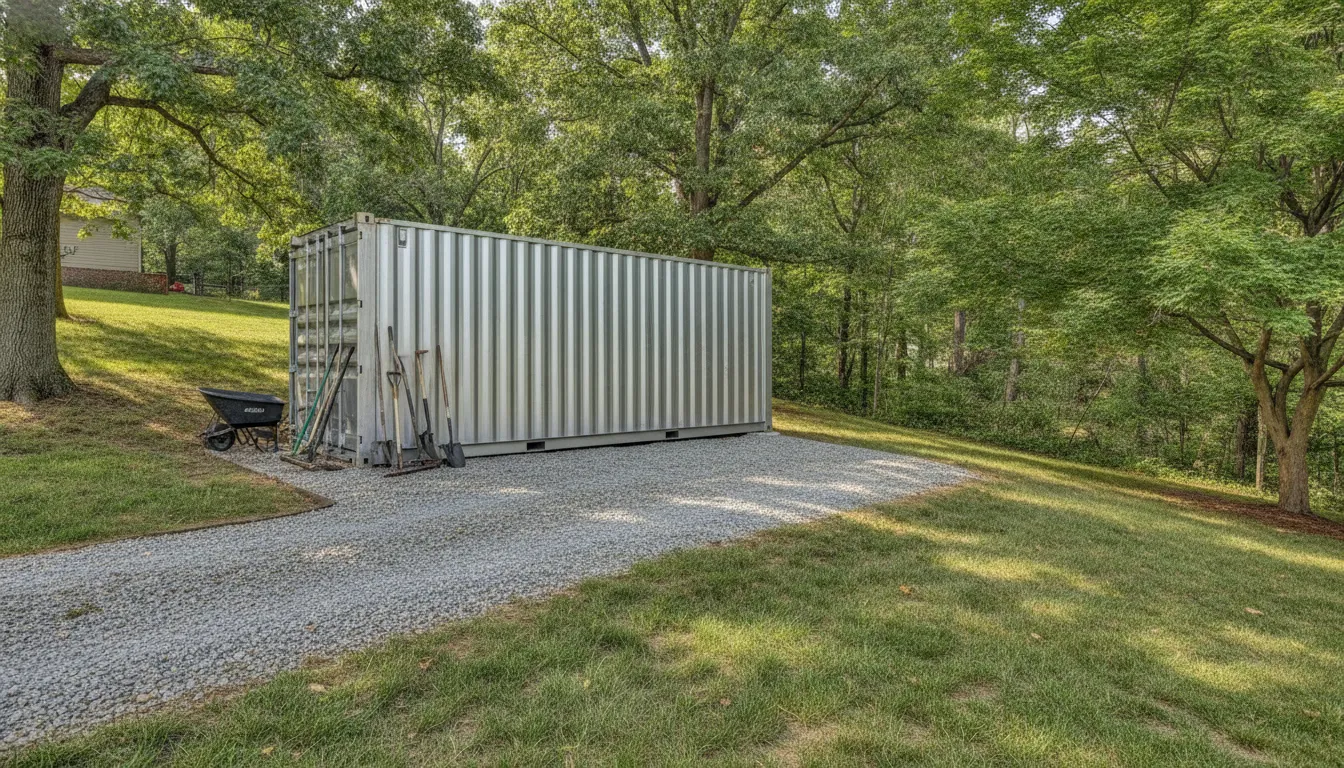
Choose a firm, level location.
Start with a placement area that is solid, accessible, and reasonably level. An uneven or unstable site can settle unevenly and make the doors difficult to open or close.
Review public storage-container site guidance
, then have local ground conditions evaluated when needed.
- Build a suitable foundation.
Common approaches include a properly compacted gravel pad, concrete piers, or a concrete slab. The goal is to distribute weight and keep the steel elevated from standing water. Gravel can support drainage for many storage uses, while piers or a slab may fit different soil or long-term-use conditions. Confirm the appropriate approach for the property rather than assuming one foundation fits every site.
- Plan drainage before delivery.
Water should flow away from the unit instead of collecting beside the walls or beneath the floor. Review natural slope, roof runoff, downspouts, nearby landscaping, and areas that become muddy after rain. Complete grading, drainage, or retaining work before the container arrives.
Leave room for airflow.
Avoid burying the lower edges in soil, mulch, or dense plantings. Outside space allows the foundation and underside to dry. Inside, condensation can form when humid air meets cooler steel. Vents and sensible airflow can help, especially when the doors are opened often.
Read more about ventilation and condensation control
.
- Protect the contents from the floor.
Keep boxes and equipment off the floor when practical. Shelving, pallets, or a raised platform can allow air to move beneath belongings. A floor covering may help protect stored goods, but it should not trap moisture against the original floor.
- Inspect seals and modified openings.
Door gaskets, locking bars, corner seals, vents, windows, and personnel doors should be checked for gaps. Repair openings that could admit water, rodents, or insects. Keep vegetation trimmed away from doors and store food, seed, or scented items in sealed containers.
Site preparation and moisture control work together. A level container can still have problems if water pools beside it, and a well-drained pad cannot compensate for damaged seals. Build the inspection and maintenance plan into the storage decision.
What Doors, Flooring, and Security Features Matter?
Choose access and protection features around the way you will use the backyard space. Standard cargo doors provide a wide loading path for lawn equipment, bicycles, bulk materials, and items moved with a dolly. They also need enough clearance to open fully. Keep the unit far enough from fences, retaining walls, and landscaping to use the doors without scraping or blocking the route.
When are personnel doors or windows worth adding?
A personnel door can make daily access easier when you will enter for hand tools, garden supplies, or a workbench. It may reduce the need to open the larger cargo doors for ordinary use. Windows can bring in daylight, but they also add openings that must be framed, sealed, and secured. Consider these modifications alongside placement, ventilation, insulation, and local requirements. They are useful when they support a clear use plan, not simply because extra features sound attractive.
How should you protect the floor?
Inspect the existing floor before loading the unit. Look for soft areas, damaged boards, standing moisture, or odors that may indicate a prior issue. If you plan to store heavy equipment, confirm that the floor condition and support underneath suit the load. Keep stored items organized so you can inspect the floor and walls instead of creating a permanent packed wall.
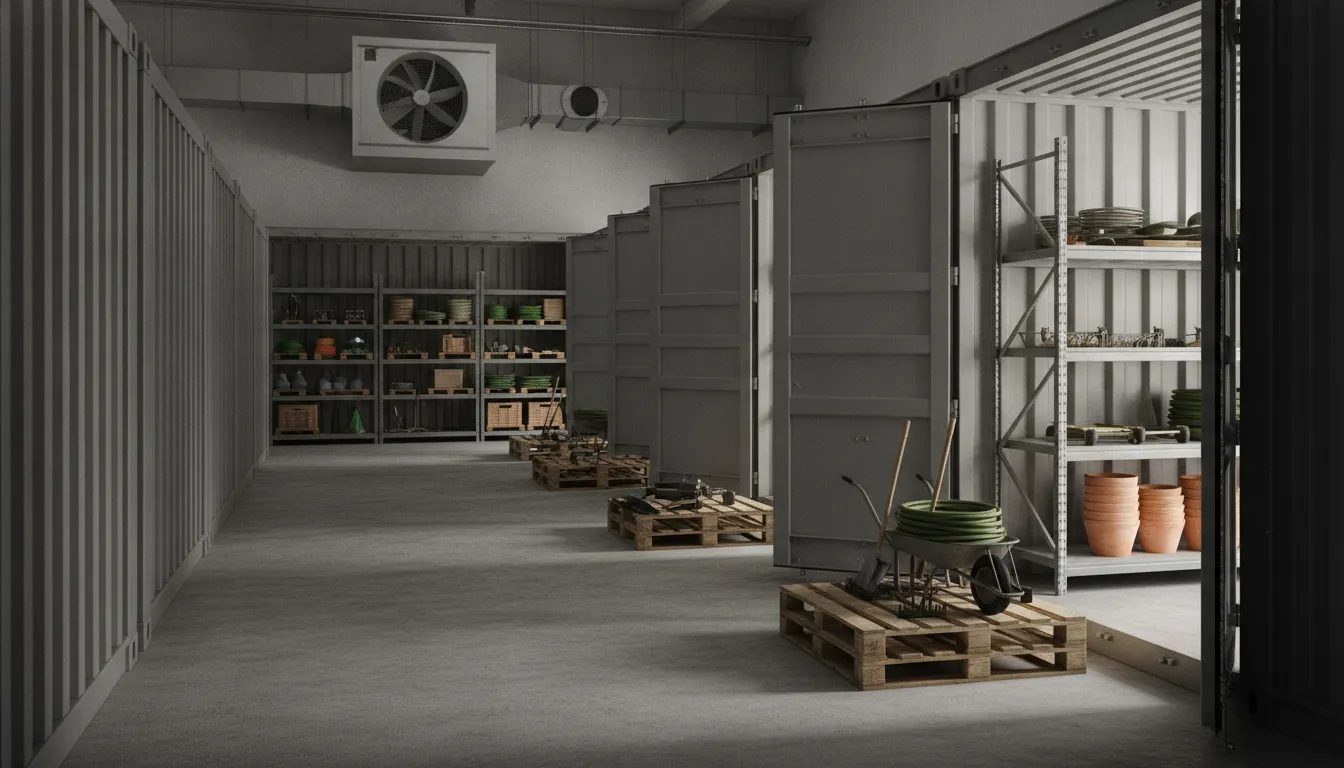
What security details should you check?
A shipping container's steel shell can provide a durable starting point for residential storage, but security still depends on condition and use. Check that cargo doors close evenly, seals are intact, and locking hardware is not bent or corroded. Consider a protected lockbox or another tamper-resistant lock arrangement rather than leaving a padlock exposed.
Visibility is part of practical security. Keep the container visible from the house when possible, use motion lighting if appropriate, and avoid dense vegetation that creates hiding places. These measures improve awareness without treating any single feature as a guarantee. For more detail, review shipping container security features.
What Does Delivery and Placement Require?
Delivery is part of the site plan, not an afterthought. Before ordering a shipping container shed for a Pittsburgh-area property, walk the route from the public road to the intended placement area. Measure gates, driveways, bridges, narrow turns, and any point where the truck may need to reposition. A route that looks open from the street can become impractical once the container, truck, and unloading movement are considered.
How much access should you plan for?
Mann's Cans generally recommends planning for at least 100 feet of straight clearance for tilt-bed delivery. This is a customer operating guideline, not a universal equipment rule. The actual requirement depends on the container, truck, terrain, and access conditions. Share accurate photos, measurements, and property details during a site review rather than relying on an estimate from the curb.
Check the vertical path as well as the pavement. Low utility lines, tree limbs, signs, roof overhangs, and other obstacles can interfere with delivery. Do not assume a line is inactive, and never ask a driver to work around an uncertain utility hazard. Use this delivery-access checklist before scheduling.
What if the property is tight or sloped?
The placement area should be ready before the truck arrives. A compacted gravel pad, concrete piers, or a slab may be appropriate depending on the property and intended use. Pittsburgh-area slopes, soft soil, and wet conditions deserve particular attention. If a standard tilt-bed route cannot reach the placement area, discuss alternatives early. Crane service or another delivery method may require its own setup area, lifting assessment, and ground-support review.
Orient the doors toward the most useful approach. Leave enough space to open them fully, inspect the roof and walls, move items, clear snow, and complete future maintenance. Prepare the property for container delivery before the scheduled date, and ask questions while there is still time to adjust the site.
Do You Need a Permit for a Backyard Container Shed?
Permit and placement requirements depend on the municipality, zoning district, property conditions, and how the container will be used. A unit used for simple storage may be treated differently from one used as a workshop, office, occupied space, or structure connected to utilities. Setbacks, lot coverage, drainage, historic-district rules, neighborhood covenants, and utility easements may also matter.
Do not assume that a container is exempt because it arrives as a movable product. Before delivery, contact the local zoning or building office and ask how the proposed size, location, foundation, modifications, and use are classified. Confirm property-line setbacks and utility locations. If the project includes electrical, plumbing, occupancy, or structural alterations, ask which additional reviews apply.
Mann's Cans can help customers think through access, placement, and delivery questions, but local authorities determine which approvals apply. Keep written guidance with your project records, and do not order site work based on a general internet statement that may not fit your municipality.
Frequently Asked Questions
Is a shipping container shed better than a traditional shed?
It depends on your priorities. A container can suit homeowners who want an enclosed steel shell, practical security, and a straightforward storage layout. A traditional shed may be better when matching the home, choosing a custom roof, or adding architectural features is more important. Compare the delivered site cost, maintenance, appearance, access, and local placement requirements rather than choosing on purchase price alone.
Is a 20ft or 40ft container better for backyard storage?
A 20ft unit often fits smaller properties and leaves more room around the shed, while a 40ft unit provides more capacity for bulky equipment or separate storage zones. Measure both the placement area and the delivery route. The best size is the one that fits safely, can be accessed after placement, and matches the items you actually plan to store.
How do you keep moisture out of a container shed?
Start with a firm, level, well-drained foundation. Keep the container elevated from standing water, maintain sound door seals, provide suitable ventilation, and avoid packing belongings tightly against steel walls. Shelving or pallets can keep items off the floor. Temperature swings and humid air can still create condensation, so inspect the interior regularly and choose insulation or additional modifications based on the intended use.
What should you measure before container delivery?
Measure the full route from the road to the final placement area. Include gates, turns, slopes, bridges, overhead lines, tree limbs, fences, retaining walls, and the truck's setup space. Also measure the prepared pad and leave room to open the cargo doors and walk around the unit. Send photos and measurements to the delivery team so access can be reviewed before scheduling.
Can I place a shipping container shed anywhere on my property?
No. Placement may be affected by zoning, setbacks, permits, easements, lot coverage, drainage, utility locations, neighborhood rules, and the container's intended use. Contact the local zoning or building office before delivery. A storage unit, workshop, office, and utility-connected space may not receive the same treatment. Local approval questions should be resolved before preparing the site or ordering modifications.


Comments