

Updated: Sep 15
Shipping container delivery access is about more than the final placement spot. The truck needs a safe route from the public road, enough room to maneuver, and firm ground for the drop. This guide helps you assess your property before scheduling delivery.
Safe delivery begins with a clear route, adequate turning room, overhead clearance, firm ground, and a level placement area. Walk the route from the road to the final spot, note every tight turn or obstacle, and send photos to Mann's Cans. The team can confirm whether standard delivery equipment is suitable.
Knowing what the truck must navigate can prevent delays and help the team choose the right delivery method. Start by reviewing the entire route from the public road to the placement area.
Start with the full shipping container delivery access route
Planning for your container starts well before the truck pulls into your driveway. You must look at the whole path from the public road to the drop site. This is the first step in a right shipping container delivery access plan. If the driver cannot reach your spot, the job cannot finish. Checking the path early saves time and money for all.
Check the path from the public road
Start your check where the delivery truck leaves the main road. Look for sharp turns or tight gates that might block a large truck. Most trucks used for this work are long and need room to turn. If your driveway has an "S" curve or a steep hill, take photos. Drivers need to see these spots to make sure they can pass safely. Sites with a slope over 4% often need special care to avoid hits.
You also need to check the ground. Soft soil or wet grass can cause a heavy truck to get stuck. This can lead to extra costs and may damage your land. Make sure the path is firm and clear of piles. You want the shipping container delivery requirements met so the truck stays on solid ground. A clear path helps the driver reach the drop site without getting stuck in the mud.
Think about the truck turn space
A tilt-bed truck needs more space than a normal car. For a 20ft container, the truck usually needs about 60 feet of straight space to drop the box. If you bought a 40ft container, the truck might need 100 to 120 feet of straight room. This is because the container slides off the back of the truck. If you lack straight space, you may need a crane to place the unit. A crane can help in tight spots but it will cost more.
Safety rules from OSHA say enough safe clearance must be kept for handling gear. This means you should clear tools, cars, or trash from the path. Do not just think about where the box goes. You must also think about where the truck needs to be to put it there. If the truck has a tight turn, walk the path and look for blocks. It is better to move a car now than to have a delay on delivery day.
Check for height and side blocks
Height is as vital as width. Most trucks need at least 16 feet of height to drive and tilt the bed. Look up for low tree limbs, power lines, or roof edges. These can hit the box or the truck and cause harm. If you see a low wire, call the power group to see if they can lift it. Trimming back trees before the truck comes is also a smart move.
Do not forget about side clearance. A 10ft wide path is usually enough for the truck to pass. But if there are fence posts or walls near the path, measure them. Small shifts in the truck can cause it to hit these items. Give the driver a few extra feet of width if you can. This makes the job safer and faster for the team. Being ready for the shipping container delivery access makes the process go smooth.
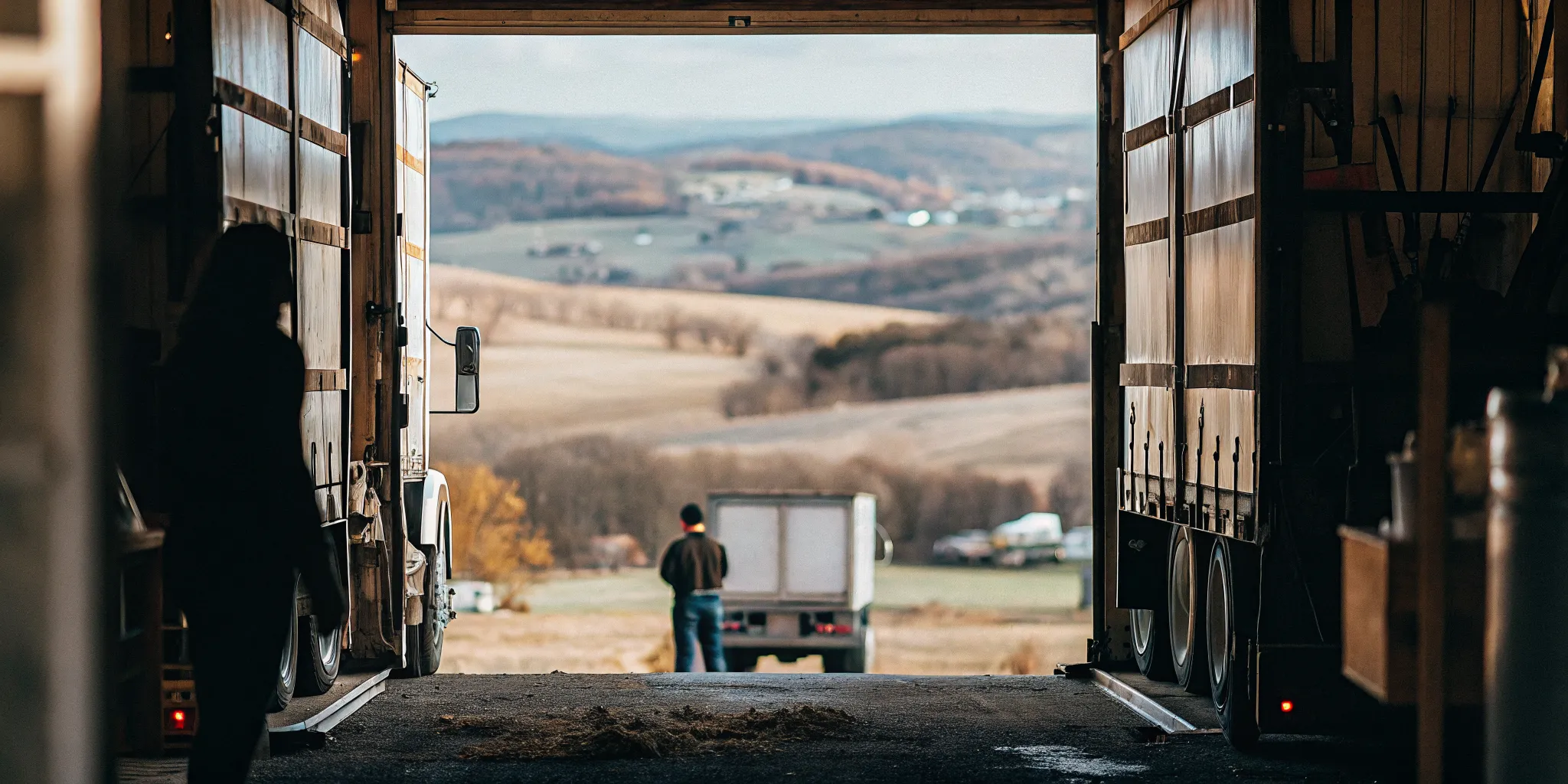
A clear approach and prepared placement area help the delivery team plan a safe drop.
How much turning room does the delivery truck need?
Getting a container to your site starts with the right space. A tilt-bed truck needs room to move, turn, and back into place. To plan for shipping container delivery needs, you must look at the path from the road to the spot. The truck and trailer are very long, so they cannot make sharp turns like a car can.
Understanding straight line clearance
The main part of container delivery logistics is the straight run. For a 20ft container, the truck needs about 60 feet of straight space to drop the unit. If you get a 40ft container, that need jumps to 100 or 120 feet. This length is vital because the truck must pull forward as the container slides off the tilted bed.
You also need to check for height and width. The path should be at least 10 feet wide at all points. Make sure you have 16 feet of height room to avoid low tree limbs or wires. Federal safety rules from OSHA require safe paths for all transport moves to stop hits.
Managing curves and gates
If your driveway has sharp curves, the truck may struggle to pass. Large delivery trucks have a wide turn circle and need extra space to clear corners. Gates can also be a tight spot for shipping container delivery access. A normal gate may be too narrow if the truck has to turn as it enters.
Curves with a "S" shape or steep hills can stop a delivery fast. Most trucks can handle small slopes, but a grade over 4% is hard for heavy loads. The ground surface also plays a big role in a safe turn. If the ground is soft dirt or wet grass, the truck could sink or lose grip.
Sharing photos for site check
Since every property is different, one rule does not fit all. We often ask for photos or videos of your site before we come. This helps our team see any risks like tight turns or low wires. If your site is very tight, we may need to use a crane to lift the unit.
Showing us the path from the street to the pad saves time and money. It stops a "dry run" where the truck arrives but cannot finish the job. Walk the path and take notes on tight spots or gate widths. Clear photos of gates and curves let us plan the best way for your delivery.
Check overhead clearance along the entire route
When you plan for shipping container delivery access, look up as much as you look down. Many people focus on the ground but forget about what is above the truck. Low tree limbs or power lines can stop a delivery in its tracks. You must ensure the path is clear for the entire height of the truck and the container as it tilts to offload. Most trucks need about 16 feet of height to pass safely under wires or branches.
Look for common overhead blocks
The most common blocks are items that hang over your path. Tree branches are the top worry for most people. They can scrape the top of the container or snag on the truck cab. You also need to watch for power lines and phone wires. These must be high enough to allow a large truck to pass under them without risk. If you are not sure about the height, you can use a long pole to check the space.
Other items like roof eaves, rain gutters, or large signs can also get in the way. If your route passes close to buildings, check that lights or awnings do not stick out too far. Most delivery trucks carry units that are 8.5 to 9.5 feet tall. When you add the height of the truck bed, the total height is quite large. This is why a 16-foot clearance is the usual rule for a safe drop. Keeping this space clear stops the truck from hitting items that could cause a lot of damage to your land.
Account for changing ground levels
The height you need is not always a flat line across your yard. If your path has a steep slope or a big dip, the truck will tilt as it moves. This change in angle means the top of the container will rise or fall compared to the ground. A branch that looks high enough on a flat road might be too low when the truck is on a hill. You must walk the full route and think about how the truck will sit at each point.
Steep hills and curves can create other risks for the delivery team. Sites with a driveway grade of more than 4 percent often need a closer look before the truck arrives. If your path has sharp curves or big slopes, it is wise to send photos to your team. They can help you see if a standard truck can make it or if you need a crane. Checking these shipping container delivery requirements early stops a failed drop.
Plan for the tilt drop zone
The space above the spot where the container will sit is the main area. To drop the unit, a tilt-bed truck must raise its bed high into the air. This process needs more room than just driving under a wire. The truck will tilt the container up at a steep angle before it slides off onto the ground. You need to clear all items from the sky in this exact area to stop a crash.
Safety rules require that sites stay clear of items that could cause a fire or a trip. Under OSHA safety rules, enough room must be kept for tools and paths to stay safe. Make sure no wires or roof edges are in the way of the tilt. If you have a tight spot with low wires, a crane can often lift the unit into place from the side. This avoids the need for a long, high tilt during the drop and keeps your site safe.

Walk the full route and check the ground, side clearance, and overhead space.
Is the ground ready for a loaded delivery truck?
A shipping container is heavy, but a loaded delivery truck is much heavier. You must have the right spot ready before the truck pulls in. Good shipping container delivery access starts with firm and level ground. If the ground is too soft, the truck could sink or get stuck. This can lead to delays and extra costs for your project. You should check the path and the final spot for any soft spots, holes, or low areas.
Choose firm and dry surfaces
A tilt-bed truck needs to back into place and drop the container. This process puts a lot of weight on a small area. Soft mud or loose dirt will shift under this big load. Pick a spot with hard ground that can hold the weight.
Some good surface options include:
Packed gravel or crushed stone.
Paved asphalt or concrete.
Dry, hard-packed clay or soil.
Solid wooden blocks or railroad ties.
Avoid areas where water pools or the soil stays wet for a long time. Soft shoulders along a driveway can also cause the truck to tip. Knowing the shipping container delivery requirements for your site will help the drop go smoothly. If the driver feels the ground is not safe, they may have to leave and come back later. This often results in a dry run fee, so check the ground early.
Find and mark buried pipes
The weight of a delivery truck can crush things deep under the soil. You should know where your septic tanks, drain fields, and water lines are. Heavy trucks can break these systems if they drive over them. It is best to mark these spots so the driver can stay away from them. This is vital if you live in a rural area or on a farm. Keeping a safe path helps prevent costly repairs to your yard later. To keep things safe, OSHA rules say that transport paths must have enough safe space to avoid hazards. Check for low-hanging wires or tree limbs as well.
Plan for slopes and curves
A flat spot is the best place for a storage unit. If the ground has a steep slope, the truck may not be able to drop the box safely. A grade of more than four percent can be a problem for most drivers. This is about one foot of rise for every 25 feet of length. Sharp curves or "S" bends in your driveway also make it hard for a long truck to reach the spot. If your path has hills or tight turns, take a few photos. Send them to your delivery team so they can check the path for you before they arrive. They can help you find the best way to get the truck into place without any trouble.
Walk the site before scheduling delivery
You need to walk your land before you buy or rent a unit. A real check helps you find tight spots that a map might miss. This step makes sure your is clear for the driver and the truck. If you have questions about space, check our shipping container delivery FAQs for quick help.
Check the truck path
Start where the truck enters your yard. Look for sharp turns or narrow gates that could block a big truck. Soft ground can cause a heavy truck to sink, so stay on hard paths like stone or paved drives. Safety rules from OSHA say that paths must be clear of risks when using heavy tools.
Look for high bars
Look up to find low tree limbs or power lines. A truck with a box is much taller than a car or a small van. You need at least 16 feet of space up high to avoid harm to your home or the gear. Most drivers will not risk a hit, so trim any limbs before the truck gets there.
Prep the drop spot
The spot for the box must be flat and firm. Use a tape to mark the exact place where the unit will sit. If your drive has a steep hill or a sharp curve, you should take photos to show your team. Clear away any trash, tools, or brush to keep the area safe and easy to reach.
- Check the gate:
Check widths and look for tight turns near the road.
- Walk the path:
Make sure the ground is firm enough to hold a heavy truck.
- Clear the air:
Trim tree limbs and check for low wires along the whole way.
- Mark the spot:
Use paint or flags to show right where the unit should go.
- Take photos:
Get shots of the path and the spot to send to the team.
Knowing your shipping container delivery requirements early saves cash. It stops the need for a second trip or a high-cost crane. If the spot is too tight for a truck, a crane may be the only way to do the work.
Prepare the placement area, not just the driveway
The path to your site is only half of the puzzle. Once the truck arrives, it must drop the unit in a spot that works for your daily needs. You must think about how you will use the space once the driver leaves. A good plan keeps your site safe and makes it easier to get to your gear. It also helps you meet shipping container delivery requirements for a smooth drop.
Pick a door direction
You must tell the driver which way you want the doors to face before they load the truck. Most units have doors on only one end. If you want the doors to come off the truck first, ask for "doors to the rear." If you want them to face the truck cabin. Ask for "doors to the front." Think about where you will stand when you open the unit. You should have at least five feet of clear space in front of the doors to move items in and out.
Build a level base
A flat surface is key for your unit to work well. If the ground is not level, the doors may jam or fail to lock. You can use a bed of stone or wood blocks to make a firm spot. Keeping the area free of tall grass and trash helps stop rust and bugs. Safety rules from OSHA state that storage spots must stay clear of risks like fire or pests. A dry, clean base also keeps the bottom of the unit away from wet soil.
Good container delivery logistics often rest on the ground being firm. If the spot is soft, the heavy truck might sink or get stuck. You should check the slope of the drop zone. If the hill is too steep, the unit might slide. A good rule is to keep the slope under four percent. This helps the driver keep control while they tilt the bed to slide the unit off.
Leave room for the future
Think about where the unit will sit for a long time. Do not block power lines, water tanks, or shut-off valves. You might need to move the unit later, so keep in mind for the future. Make sure there is enough room for a truck to come back if you ever want to move the unit to a new spot. If you plan to add power or lights, place the unit near your power source to save on wire costs.
Check for overhead wires and low tree limbs.
Look for buried pipes that might crack under weight.
Mark the four corners of the spot with paint or flags.
Questions to discuss before container delivery
Planning your container delivery is a vital step for a smooth setup. You must check your shipping container delivery access for any space issues that could stop a truck. It is best to find these spots early so you can fix them before the driver arrives. Our team at Mann's Cans can help you walk through the most common site needs.
Checking for physical barriers
You need a lot of space to land a metal box. A 20ft unit needs about 60 feet of straight line room to slide off the truck. If you choose a 40ft box, you will need at least 120 feet of flat, straight path. This space allows the truck to pull away while the container stays on the ground. Make sure the path is at least 10 feet wide and clear of all debris.
Look up before the truck pulls in. Tree limbs and power lines must be at least 16 feet high to avoid hits. The safe use of heavy tools requires clear paths to prevent crashes on your site. If your spot has low lines, you may need a new plan for drop off.
Reviewing site access details
The road to your drop spot matters just as much as the spot itself. Heavy trucks can get stuck in soft mud or deep sand. Most drivers will not take a truck onto wet grass or unpaved dirt. If you have a steep driveway or tight turns, tell us before the day of delivery. Driveways with more than a four percent grade may need a quick photo review first.
Think about the turning radius at your gate or fence. Big trucks need wide turns to stay on the road. You can check our shipping container delivery FAQs to see how to measure your turns. Giving these facts helps us bring the right truck for your home or shop.
Confirming the delivery method
Most boxes arrive on a tilt-bed truck. This truck tilts its back and slides the box down. If your spot is too tight for a long truck, you might need a crane. A crane can lift the box over a fence or drop it into a narrow slot. While a crane costs more, it is often the only way to reach a back yard or a high deck. We will help you pick the best way to move your box safely.
Site Issue | What to Write Down | Question to Ask |
Low Wires | Check for lines under 16 feet. | Is the truck too tall for my wires? |
Tight Turns | Measure the width of your gate. | Can the truck make this wide turn? |
Steep Hills | Note any slope over four percent. | Will the truck slide on this hill? |
Soft Ground | Check for mud or wet soil. | Does the truck need a gravel path? |
Good prep work prevents delays and extra fees. We want your shipping container delivery needs to be met without any stress. By asking these questions now, you ensure the truck can drop your box right where you want it. Talk to our local experts to clear any doubts about your delivery site.
Frequently Asked Questions
How much overhead clearance is needed for container delivery?
You need at least 16 feet of space straight up to safely drop a shipping container. This height allows the truck to lift its bed and slide the unit onto the ground. You must clear all low tree limbs, power lines, and roof edges before the driver arrives. Based on Dry Box, not having enough room can stop the truck or hurt your property. Check for high blocks along the whole path the truck takes.
Do I need a crane to offload my shipping container?
Most drops use a tilt-bed truck that slides the unit off the back. You only need a crane if you have a very tight spot or need to stack units. Cranes also help if the truck cannot reach the site due to soft grass or fences. While Conexwest says tilt-beds are the normal way, a crane can place units in spots that trucks cannot reach. This extra service usually costs more than a standard drop at your site.
How much space is needed for a 40ft shipping container delivery?
A 40 foot unit needs about 120 feet of straight line space for a safe drop. This length includes the box and the truck that pulls away from under it. The path must stay at least 10 feet wide and 16 feet high at all times. Experts at Dry Box suggest a flat path so the truck does not get stuck. Good planning helps the driver set the unit down right where you want it.
What are the site access requirements for a shipping container truck?
The drop site must have a firm and flat surface like gravel or concrete. Trucks often struggle on soft mud or wet grass where they might sink. You also need a path that is 10 feet wide and clear of tight turns. If your drive has a steep slope, you should send photos to the driver first. Groups like OSHA ask for safe room for tools to prevent crashes during the drop and placement.
Ready to discuss your site before delivery?
Failing to check your site access today can lead to high fees for a failed drop or a heavy truck that gets stuck in your yard. By taking a few minutes to map out your space now, you ensure that your unit is set right where you need it without any delays. You can fix issues like low tree limbs or tight turns before the driver arrives to save yourself from a lot of stress on delivery day.
Ready to discuss your site before delivery? Call (724) 972-1212 to talk to a local expert about your delivery path, site needs. And the best way to get your new storage unit set up in your yard or on your driveway today.

Comments